Table of Contents
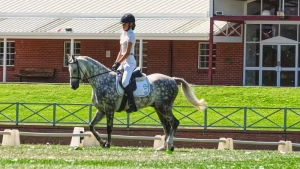
Dressage is the oldest and most precise of the equestrian disciplines — a methodical system of horse training that develops the horse's natural athleticism to its fullest expression, while cultivating a willing, harmonious partnership between horse and rider. From its origins in classical Greek military horsemanship through to the intricate choreography of modern Grand Prix competition, dressage today is at once an art form, a training philosophy, and a competitive sport practised by more than 16,000 active British Dressage members in the UK alone. This guide explains what dressage is, the training scale that underpins all schooling, the arena and letter system, every test level from Intro through to Grand Prix, and how to get involved as a rider in the UK and South Africa in 2026.
What Is Dressage?
The word "dressage" is French, meaning simply "training". The Fédération Equestre Internationale (FEI) defines dressage as "the highest expression of horse training", in which the horse responds to a skilled rider's minimal aids with calm, supple, balanced movements that appear effortless. The Fédération's six fundamental qualities of correct dressage — rhythm, suppleness, contact, impulsion, straightness, and collection — form the German training scale that nearly every UK and South African coach teaches today.
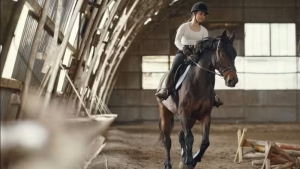
At its core, dressage is gymnastic conditioning for the horse. Every movement, from a simple 20m circle through to passage and piaffe, develops the horse's hindquarter engagement, back lift, lateral flexibility, and acceptance of contact. A dressage-schooled horse is a better jumper, a safer hacker, and a longer-lived athlete than an unschooled equivalent. That is why classical dressage principles underpin training across every other equestrian discipline — including show jumping, eventing, and even retraining of racehorses.
A Brief History of Dressage
Dressage is the oldest equestrian discipline still practised. The Greek general Xenophon wrote On Horsemanship (c. 350 BCE), a treatise on schooling the cavalry horse that contains principles still recognisable in the modern training scale. The Renaissance courts of Italy and France refined classical horsemanship as a courtly art; the Spanish Riding School of Vienna, founded in 1572 and still operating today, preserves the highest expression of haute école — the airs above the ground including the levade, courbette, and capriole.
Modern competitive dressage emerged in the late 19th century from the German cavalry tradition, formalised when dressage was introduced to the Olympic programme at the 1912 Stockholm Games. Britain has produced extraordinary modern dressage talent — Charlotte Dujardin (Olympic gold 2012, 2016 and three-time individual world record holder), Carl Hester (her mentor and team gold 2012), and continuing forward to current British Dressage podium riders such as Lottie Fry, Becky Moody, and Charlotte Fry-Lambert. South Africa's most successful international dressage rider is Quentin Pieterse, who has represented the country at multiple FEI World Cup finals.
The Training Scale (Scales of Training)
The training scale, called the "Skala der Ausbildung" in German, is the foundation of all modern dressage. It is a pyramid of six qualities, each building on the one below. A horse that is rushing the rhythm cannot be supple; an unsupple horse cannot accept contact; an evasive contact cannot generate true impulsion; and so on up the pyramid.
| Stage | Quality | What it means in practice |
|---|---|---|
| 1 (base) | Rhythm (Takt) | Pure, regular footfalls in walk (4-beat), trot (2-beat), canter (3-beat) — no breaks, no rushing. |
| 2 | Suppleness (Losgelassenheit) | The horse swings through the back, releases tension in the neck and poll, and stretches into the contact. |
| 3 | Contact (Anlehnung) | Light, elastic, consistent rein contact — the horse seeks the bit rather than fighting it. |
| 4 | Impulsion (Schwung) | Energy from the hindquarters that travels through a swinging back into the contact and out through the rider's hand. |
| 5 | Straightness (Geraderichten) | The hind feet track in line with the front feet. Crooked horses cannot collect. |
| 6 (top) | Collection (Versammlung) | The horse lowers its quarters, lifts its forehand, and shortens the frame without losing energy. |
Every dressage session — from a Novice rider's first 20m circle to a Grand Prix rider's piaffe — is judged against this pyramid. The training scale is the single most useful diagnostic tool you can carry into the school. When something goes wrong, work down the pyramid to find which layer has broken, and fix that layer first.
The Dressage Arena and Letter System
A dressage arena is either 20m × 40m (used for Intro to Elementary tests in the UK) or 20m × 60m (used from Medium upwards and at all FEI levels). The letters around the perimeter mark precise points where movements begin, end, or transition. They are not random — although they look random, every textbook has the same explanation for the choice of letters, which actually has no documented historical origin.
- 40m short arena letters: A, K, E, H, C, M, B, F (around the perimeter), with X marking the centre.
- 60m long arena letters: A, K, V, E, S, H, C, M, R, B, P, F, with the centre line marked D, L, X, I, G.
- Common entry/exit: Tests almost always begin and end at A (entry from outside) and the final halt is at X or G.
Memorising the letters and their relative positions is the first homework for any new dressage rider. The British Dressage rules require accurate movements at named points; a 10m circle "at B" must begin and end exactly at B, not a stride before or after.
Key Dressage Movements Explained
Foundational Movements
- 20m circle: The basic test of bend, balance, and rhythm. Required from Intro upwards on both reins.
- Serpentine: Three to five equal loops across the school, testing the horse's response to inside leg and the transition through straightness between bends.
- 10m and 15m circle: Tighter circles introduced at Novice and Elementary that demand greater lateral suppleness.
- Free walk on a long rein: The horse stretches through the back, taking the contact down and forward. The most-marked movement in lower-level tests because it reveals tension and incorrect outline immediately.
- Working trot, medium trot, extended trot: Progressive lengthening of the stride within the same rhythm. Tested from Novice upwards.
Lateral Movements
- Leg yield: The horse moves sideways and forwards while remaining straight along its spine. The gateway to all advanced lateral work. Full leg-yield guide here.
- Shoulder-in: The horse bends around the rider's inside leg, with shoulders brought to the inside on three tracks. Tests true bend and engagement of the inside hind.
- Travers and renvers: Quarters-in and quarters-out variations of shoulder-in, deepening lateral suppleness.
- Half-pass: The horse travels diagonally across the school with bend in the direction of travel. Introduced at Medium level.
Advanced Collection
- Flying changes: Mid-canter changes of lead. Tested at Advanced Medium and above. Tempi changes (sequences every four, three, two, or one stride) appear at Prix St Georges and beyond.
- Piaffe: Trot on the spot. The Grand Prix-only test of full collection.
- Passage: Elevated, suspended trot — slow tempo, dramatic cadence. The crown jewel of Grand Prix.
- Pirouettes: Canter pirouettes are 360-degree turns on the haunches with the forehand circling around the hind. Tested from Advanced Medium upwards.
Dressage Levels and Tests
British Dressage levels run from Introductory through to Grand Prix Freestyle. For a complete breakdown of qualifying points, championship routes, and entry costs, see our dedicated British Dressage points guide. The progression in 2026 is:
| Level | Arena | Key movements | Notes |
|---|---|---|---|
| Intro | 40m | Walk, trot, 20m circles | No canter required. Open to anyone. |
| Prelim | 40m | Walk, trot, canter, 20m & 15m circles, lengthened strides | Most popular entry level for affiliated competition. |
| Novice | 40m | Medium walk, 10m circles, leg yield (some tests) | Introduction of free walk on a long rein. |
| Elementary | 40m | Counter canter, simple changes, shoulder-in | First introduction of true collected paces. |
| Medium | 60m | Medium and extended paces, half-pass, walk pirouette | Long arena from this level upwards. |
| Advanced Medium | 60m | Flying changes, simple half-passes, canter pirouette | The first FEI-track level. |
| Advanced | 60m | Tempi changes (4s, 3s) | Full collection demanded. |
| Prix St Georges (PSG) | 60m | Tempi 3s and 2s, pirouettes | FEI Small Tour entry level. |
| Inter I / Inter II | 60m | Passage and piaffe introduced | FEI Medium Tour. |
| Grand Prix | 60m | Full piaffe, passage, one-time tempi changes, pirouettes | Olympic and World Cup level. |
British Dressage and Competing in the UK
British Dressage (BD) is the governing body for affiliated dressage in the UK, with a 2026 membership of around 16,000 active competitors and 1,000+ affiliated venues. Membership tiers in 2026 start with the Pay As You Go option (no annual fee, increased per-class costs) through Bronze, Silver, Gold and Platinum tiers — the higher tiers reduce entry fees and unlock championship routes. Most riders start by riding Unaffiliated Dressage at a local venue for £15–£25 a test, then move into Affiliated Intro or Prelim once consistently scoring above 65%.
Affiliated competitions are judged by BD List judges (Listed 1–4 plus Candidate level), with marks ranging from 0 to 10 per movement. A score of 65% is considered competent at the level entered; 70%+ is strong; 75%+ is championship-qualifying material. Each clear score above the threshold earns points towards moving up a section (Bronze to Silver, etc.).
The major UK championships in the 2026 season include the Winter Championships at Hartpury (April), the National Championships at Stoneleigh Park (September), and the Pet Plan Area Festivals throughout the spring. Unaffiliated riders compete for regional centre rosettes and unaffiliated championship titles, while affiliated riders chase qualification ranking points through Pet Plan Animal Trust, Premier League, Petplan Equine Area Festivals, and the BD National route. Full qualifying ranking and points breakdown here.
Dressage Tack and Equipment
- Saddle: A specialist dressage saddle (deep seat, long straight flap, knee blocks at the rider's thigh) places the rider in a tall, vertical position with a long leg. Brands dominant in the UK include Albion, Bates, Stubben, Equipe, and Saddle Company. Expect £1,500–£4,500 for a competitive secondhand example, £4,500–£12,000 new. Full saddle parts guide here.
- Bridle: A dressage bridle is typically a snaffle through Elementary, with crank or anatomical nosebands becoming more popular. From Medium upwards, a double bridle (bradoon and weymouth bits) is mandatory in most BD tests. Double bridle setup explained.
- Bits: Loose ring snaffle is most common for novice work; snaffle bit types and their effects covered here.
- Whip: Maximum 1.10m (110cm) including lash. Required in BD competitions to be balanced and unobtrusive.
- Spurs: Optional at Prelim, expected from Medium upwards. Limit length to 3.5cm with rounded ends only.
Dressage Horse Breeds
While any breed can compete at lower levels, certain warmblood breeds dominate the Grand Prix arena. The most successful dressage breeds in 2026 international competition include:
- KWPN (Dutch Warmblood): The single most successful Grand Prix bloodline of the 21st century — Valegro, Glamourdale, and many medal-winning horses are KWPN.
- Hanoverian: The largest warmblood studbook by volume, producing many UK and international Grand Prix horses.
- Westphalian, Oldenburg, Trakehner: German warmbloods with strong dressage records.
- Iberian breeds (Lusitano, Andalusian): Naturally collected, ideal for classical and high-school work.
- Native UK breeds: Show Hack types, Cleveland Bays, and even some larger ponies compete successfully at Elementary and Medium.
Dressage in South Africa
The South African Equestrian Federation (SAEF) and Dressage South Africa (DSA) govern the sport in South Africa. The DSA test structure parallels British Dressage closely, using the same FEI levels for international tests. Active hubs include Gauteng (with Kyalami Equestrian Park hosting most national events), the Western Cape (Stellenbosch and Paarl), and KwaZulu-Natal. Quentin Pieterse remains the country's most decorated international rider; junior development in the Western Cape has produced regular African Championship podium results in the past three years.
South African dressage tack pricing is comparable to UK in real terms; a competitive secondhand warmblood for Elementary work costs R150,000–R350,000 in 2026, while imported dressage saddles fetch R45,000–R120,000.
Dressage at the Olympics and FEI Events
Dressage has been an Olympic sport since 1912. The Olympic format includes three tests: Grand Prix, Grand Prix Special, and Grand Prix Freestyle (the musical kür). Britain has dominated since 2012, with team gold (2012), team gold (2016), team silver (2020), and a strong team ranked across the LA 2028 cycle.
FEI World Cup, European Championships, and World Equestrian Games punctuate the international calendar. The Aachen CHIO in Germany (July annually) remains the unofficial world championship of the dressage circuit.
How to Get Started in Dressage
- Find an instructor. Look for BHS Stage 3+ or BD Listed Coach status in the UK; SANEF Level 1+ in South Africa. Lessons of 45 minutes are standard, £35–£60 per private lesson in the UK, R350–R600 in SA.
- Learn the arena letters cold before your first lesson.
- Begin with flatwork. Most riders need 6–12 months of correct flatwork before riding a test. Polework supports this — see jumping exercises for horses for crossover work.
- Ride at an unaffiliated competition first. Local venues run weekly. Aim for 60% at Intro before progressing to Prelim.
- Join British Dressage at PAYG level once consistently scoring 65%+. Upgrade tiers as ranking points accumulate.
- Take videos. Reviewing your tests is the fastest way to find the gap between feel and reality.
Common Dressage Schooling Problems
- Behind the contact: The horse drops behind the bit. Cure with forward riding, transitions, and reasserting impulsion before contact is asked for.
- Above the bit: Horse holds the head high and inverts the back. Cure with consistent flatwork and possibly bit re-fitting; rule out dental pain or back issues like kissing spine.
- Rushing: Loss of rhythm. Often caused by gastric ulcers in fizzier types, or simple over-feeding combined with inadequate turnout.
- Resistance in transitions: Usually a lack of impulsion. The horse needs to be in front of the leg before downward transitions.
- Crookedness: The hindquarters drift in or out. Cure with shoulder-fore and shoulder-in on the stiffer rein.
Frequently Asked Questions
What exactly is dressage?
Dressage is a system of horse training and an equestrian sport in which the horse performs a sequence of movements from memory in response to subtle aids from the rider. Judges score each movement out of 10, with marks awarded for accuracy, harmony, and the quality of the horse's paces. The word means "training" in French.
How do you pronounce dressage?
In British English, "dress-AHJ" with stress on the second syllable. The American pronunciation often shifts the stress earlier ("DRESS-ahj"). Both are accepted.
What is the scale of training in dressage?
The training scale (Skala der Ausbildung) is the six-level pyramid: rhythm, suppleness, contact, impulsion, straightness, and collection. Every dressage horse is developed up this pyramid in order, with collection only attempted once all five preceding qualities are in place.
What size is a dressage arena?
20m × 40m (short arena) for Intro to Elementary; 20m × 60m (long arena) from Medium upwards and at all FEI levels.
What are the letters in a dressage arena?
Short arena (40m): A, K, E, H, C, M, B, F around the perimeter, with X marking the centre. Long arena (60m): A, K, V, E, S, H, C, M, R, B, P, F, with D, L, X, I, G marking the centre line. No-one knows for certain why these particular letters were chosen, but they have been standardised internationally since the early 20th century.
How long does it take to learn dressage?
A competent novice can ride an Intro test confidently after 6–12 months of weekly lessons. Reaching Elementary takes most riders 3–5 years; Medium 5–8 years; Grand Prix is a 15–20-year journey and almost always requires multiple horses. The training scale never stops being relevant — even Olympic riders return to it daily.
What is a good dressage test score?
60% is a competent ride; 65% is good; 70%+ is excellent; 75%+ is championship-grade. British Dressage qualification routes and section promotions are tied to consistent scores at these thresholds — see our British Dressage points guide.
Further Reading
- British Dressage Points and Levels Explained
- A Beginner's Guide To Leg Yielding in Dressage
- Counter Canter: A Step-by-Step Guide
- Scales of Training: Dressage Horse Training
- Parts of the Saddle Explained
- The Double Bridle Explained
External authority references: British Dressage · FEI Dressage · British Equestrian Federation · The Spanish Riding School of Vienna.