Windsucking in horses is a repetitive oral behaviour most often seen in stabled horses. The horse opens its mouth, flexes its neck, makes a characteristic grunting sound, and draws air into the upper part of the throat. It has no obvious purpose like eating or drinking, which is why it is classed as a stable vice or, in modern equine behaviour terms, an oral stereotypic behaviour. Some horses windsuck openly in front of people; others seem to do it mostly when they are alone, stopping when handlers arrive in the yard. Either pattern signals a horse that is struggling to cope with some part of its environment.
Owners often notice windsucking when a horse is waiting for a feed, standing in a stable for long hours, or feeling unsettled by changes in routine. It can be annoying to hear, but the bigger concern is what it may signal about management, stress, and gut comfort.
Windsucking versus crib biting: the key difference
The terms windsucking and crib biting get used interchangeably in yards across the UK and South Africa, but they describe slightly different behaviours. A crib biter sets its incisors on a hard surface (a stable door, fence rail or feed bucket rim), arches the neck, and pulls back while swallowing air. A pure windsucker performs exactly the same neck-arch and air-swallow but without anchoring its teeth on anything. In practice, most windsuckers learn the behaviour by crib biting first, then drop the dental anchor as the habit becomes ingrained. From a welfare and management point of view they sit in the same category, and most veterinary research lumps them together as "crib biting or windsucking" because the underlying mechanism, the gut-ulcer link and the long-term consequences are identical.
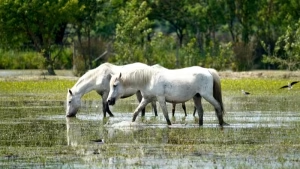
Research by Wickens and Houpt (Cornell, 2006) estimated that around 4 to 6 percent of UK Thoroughbreds windsuck or crib bite, with much higher rates (8 to 10 percent or more) in racing yards where horses spend long hours stabled with restricted forage. South African Thoroughbred yards report similar rates. By contrast, free-ranging or grass-kept horses almost never develop the behaviour, which is one of the strongest pieces of evidence that windsucking is largely a management-induced welfare issue.
Table of Contents
Windsucking and Crib Biting: Understanding the Difference
Windsucking is often mentioned alongside crib biting (also called cribbing). The behaviours are very similar, and many people use the terms interchangeably, but there is a practical difference.
What Crib Biting Looks Like
Crib biting usually involves the horse gripping an object with its incisors before it pulls back, flexes the neck, and draws in air. The “object” can be a stable door, fence rail, water trough edge, feed bin, or even the top of a gate.
Why the Distinction Matters
The distinction matters because crib biting can cause visible damage to teeth and property. Windsucking without gripping an object may still worry owners, but it often causes less physical damage around the stable. Either way, both behaviours can become strongly established habits, and a horse may continue even after moving to pasture.
How Common Is Windsucking in Horses?
Windsucking and cribbing are not rare. Across different studies and horse populations, the prevalence is often reported between about 2% and 10%. That range shifts depending on the type of horses studied, how they are kept, and the management systems used. Seeing it does not mean your horse is “abnormal”, but it does mean something in the horse’s life may be missing, uncomfortable, or stressful.
What Causes Windsucking in Horses?
No single cause explains windsucking in every horse. It is better to think of it as a behaviour with several triggers. In many horses it starts as a coping mechanism for stress or frustration and then becomes a learned habit. In others, feeding patterns and possible gastric discomfort may play a bigger role.
Stress, Frustration and Boredom in Stabled Horses
Horses are designed to move, graze, and interact with other horses for many hours a day. Stabling can limit all three. A young horse moved from pasture into a stable for the first time is a classic example. If the horse is suddenly fed large meals, left alone for long stretches, and given little roughage, it may start windsucking at the stable door before supper. Over time, the behaviour can appear at other moments too, such as when the horse is anxious, under-stimulated, or waiting for turnout.
Feeding Management and the Role of Concentrates
Feeding management is often linked to windsucking. Diets high in grain, high in sugar, and low in roughage are commonly seen in horses that crib or windsuck. Long gaps between meals also matter. A horse fed two concentrate meals a day and given limited hay may spend hours with an empty stomach and nothing to chew. That is very different from grazing for most of the day.
A practical example is a horse that gets a large sweet feed in the morning and evening, with only a small haynet at night. The horse may finish the hay quickly, stand idle for hours, then begin windsucking at the door frame. Changing the routine so the horse has more forage available, and reducing the concentrate load, can reduce the triggers that keep the habit going.
Stomach Acidity, Gastric Ulcers and the Ulcer Link
There is a strengthened link between cribbing and gastric ulcers, though it is not accurate to say one always causes the other. Many windsuckers have no ulcers, and many ulcer cases show no windsucking. Still, there are important observations. Foals that windsuck have been reported to have more severe ulceration than foals that do not, and windsucking stimulates the vagus nerve, which can increase stomach pH and make the stomach less acidic.
A common belief is that windsucking helps a horse produce saliva, and saliva buffers stomach acid. The evidence around this idea is mixed. Some studies suggest cribbers can have lower baseline saliva levels than non-cribbers. Antacids may raise stomach pH, but that does not always reduce cribbing. This tells us the behaviour is not simply “fixed” by buffering acid, even if stomach comfort is part of the picture.
Is Windsucking Inherited?
Windsucking is not purely inherited, but some horses may have a genetic predisposition. Certain breeds have higher reported rates, with Thoroughbreds often noted as having a larger proportion of cribbers in some populations. Some studies also show a higher incidence in dressage horses, which often includes Warmblood breeds with genetic links to Thoroughbreds.
It is also possible that management explains part of the breed pattern. Breeds commonly kept in stables, worked intensely, and fed higher-concentrate diets may show the behaviour more often. A predisposition may exist, but it still needs triggers such as stress, limited forage, or stabling routines.
Consequences of Windsucking in Horses
Many windsuckers live normal, healthy lives with no major issues directly caused by the behaviour. Still, there are recognised risks, especially when the habit is intense and long-term.
Teeth, Neck Muscles and Grazing Problems
Repeated windsucking can lead to enlargement of certain neck muscles over time. In cribbers, the upper incisors can wear down, and in severe cases the top and bottom incisors may no longer meet properly when the mouth is closed. When that happens, grazing can become difficult, and the horse may struggle to maintain weight on pasture.
Colic Risk and Other Health Concerns
Horses that crib or windsuck have been reported to have an increased risk of colic. Some research also links the behaviour with temporohyoid osteoarthropathy (THO), sometimes described as a form of middle ear disease. These risks do not mean every windsucker will develop these problems, but they are strong reasons to take the behaviour seriously and to manage the horse carefully.
Weight Loss and Choosing Windsucking Over Eating
Some owners notice that certain horses wind-suck instead of eating, especially when the horse is anxious or the stable routine is stressful. A horse may walk away from hay, return to the door, windsuck repeatedly, and then pick at the hay again. Over time, this can affect body condition. This is more likely if forage access is limited or if the horse’s gut is uncomfortable.
How to Manage Windsucking in Horses
There is no single solution that works for every horse. Management usually focuses on reducing triggers, improving welfare, and preventing harm. Some owners choose to ignore mild cases if the horse is in good condition, but many still prefer to reduce the behaviour because of health risks, tooth wear, and the possibility that the horse is coping with stress or discomfort.
Turnout, Companionship and Reducing Stable Stress
More turnout is one of the most practical steps. Regular turnout gives a horse movement, grazing time, and natural stimulation. Exercise also helps, especially if the work is varied and the horse has a predictable routine. A horse that hacks out, does some schooling, and gets time in a paddock is often less likely to show stable vices than a horse kept in a box all day.
Social contact matters too. Horses are social animals. If a windsucker is kept away from other horses, some owners provide companionship with another animal, such as a donkey, while still preventing fence-line cribbing in shared spaces. Keeping a windsucker in total isolation to stop “copying” can worsen stress and make the behaviour stronger.
Feeding Changes That Support Natural Chewing
Feeding changes often focus on increasing roughage and reducing large concentrate meals. If your horse spends long hours without hay, the first change is to increase forage availability. Splitting hay into more frequent feeds can help keep the horse occupied and reduce long gaps without chewing. Reducing high-sugar, sweet feeds and rethinking high-grain diets may also help, especially for horses that start windsucking around meal times.
An example is a horse that windsucks every afternoon before the evening feed. If the horse is given a small haynet at midday and the evening concentrate is reduced, some horses become calmer and the windsucking episodes shorten. It does not “cure” the habit on its own, but it can reduce the triggers.
Stable Design and Fittings to Reduce Cribbing Opportunities
For cribbers, stable fittings can reduce damage and opportunity to grip surfaces. Some yards fit grills on doors, add metal chew strips to edges, or protect door frames. The goal is not to “punish” the horse but to prevent the horse from finding an easy grip point.
A “clear stall” approach has been reported, where there is nothing solid for incisors to grasp. This can reduce crib biting in some horses, but the behaviour may return if the horse goes back to the same environment where the habit began.
Collars, Straps and Bits: What They Do and Their Limits
Cribbing collars or straps aim to stop the horse from flexing its neck into the position needed to windsuck or crib. When the horse attempts the behaviour, pressure at the throat latch causes discomfort, and the horse stops. Some designs include shaped pieces that sit between the jaw angles, while others have internal points or a gullet piece.
These devices can reduce windsucking at first, but some horses learn to continue despite the collar. There is also a real risk of pressure sores if the collar is too tight or used for long periods. A collar must never interfere with breathing, and some horses need collars adjusted or removed during feeding. Devices that cause acute discomfort, such as certain thick bits designed to stop jaw closure, are not recommended from a welfare point of view.
Ulcer Treatment and When to Call Your Vet
If ulcers are suspected, veterinary guidance is essential. Treatment for gastric ulcers often includes medication and careful management changes, such as more frequent feeding, more forage, and fewer grain concentrates. Even when ulcer treatment improves stomach comfort, the windsucking habit may still persist, because habits can become self-reinforcing. Still, addressing ulcers can remove a major trigger and improve overall wellbeing.
A Warning About Timber Treatments and Stable Safety
Some timber treatments contain chemicals that are toxic if ingested, including compounds such as arsenic, copper, and zinc. If a cribber chews treated timber, it may swallow dangerous material, which can contribute to stomach problems and serious health risks. If treated timber cannot be avoided, lining stables with suitable materials and protecting exposed edges with metal strips reduces the risk of chewing and ingestion. Stable safety is a practical part of managing a cribber, not just a property concern.
Living With a Windsucker: What Owners Should Expect
Windsucking in horses can be frustrating, but it often reflects a horse trying to cope with stress, management limits, or gut discomfort. The best outcomes usually come from looking at the whole picture: turnout, social contact, feeding patterns, stable set-up, and veterinary support when ulcers or other health issues may be present.
Some horses improve a lot with better forage access and less stabling. Others keep the habit but stay healthy with sensible management. The aim is not just to stop the noise, but to support the horse’s comfort and long-term health.
UK welfare perspective and management protocol
Both the British Horse Society and the Animal Welfare Act 2006 frame stereotypic behaviours like windsucking as welfare indicators rather than character flaws. The BHS guidance is clear: a horse that windsucks is telling you something about its environment, and the first response should be a management audit before any thought of physical correction. A practical UK-style audit covers the following:
- Forage access. Aim for at least 1.5 to 2 percent of bodyweight per day in forage, with gaps between feeds no longer than four hours. Soaked hay in small-hole nets, multiple nets per stable and floor-level forage all help.
- Turnout. Maximise daily turnout in a suitable paddock with company. Horses that live out almost never develop new oral stereotypies.
- Companionship. Stable horses where they can see and ideally touch other horses. Solo isolation is a strong risk factor.
- Gastric health. Have a vet scope for gastric ulcers in any new or persistent windsucker. The gut-pain link is well documented and treating ulcers often reduces the behaviour markedly.
- Routine and predictability. Keep feed times, turnout times and exercise routines as consistent as possible. Sudden changes in routine trigger stereotypic behaviour in horses already at risk.
- Concentrate feed. High-starch concentrates increase gastric acidity and windsucking risk. Switch towards fibre-based feeds (chaff, soaked sugar beet, alfalfa) and oils where extra calories are needed.
Cribbing collars, surgery and other physical interventions
Cribbing collars (sometimes called windsucking collars) work by applying pressure to the neck when the horse attempts to flex into the windsucking posture. They suppress the behaviour while worn but they do not address the cause. Most behaviourists, including those advising the Royal Veterinary College and the World Horse Welfare charity, regard collars as a welfare compromise that should only be used short-term and never on a horse that has not had a full management review and gastric scope first.
Surgical procedures (modified Forssell's surgery, neurectomy of the spinal accessory nerve, partial myectomy) are mentioned in some textbooks but are now rarely performed in the UK. Outcomes are inconsistent and the welfare implications are significant. Modern UK veterinary practice prefers a management plus omeprazole approach for almost all cases.