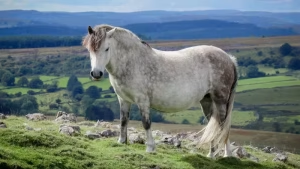
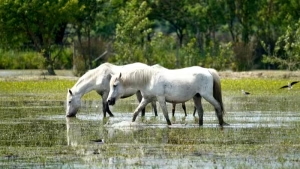
Feeding a pony sounds simple at first. Give it grass, some hay, and the odd treat, and you are done. In practice, pony feeding is one of the trickiest parts of UK and South African horse ownership. Ponies are some of the most efficient grazing animals on the planet. They evolved on the windswept moors of Dartmoor, the Welsh hills and the Highlands, surviving on rough, sparse grazing for nine months of the year. Drop that same pony onto modern improved British pasture or a well-irrigated SA paddock and you have a recipe for obesity, equine metabolic syndrome and laminitis within months. This guide covers feeding a pony the British way: forage-first, low-starch, ration-balanced and laminitis-aware.
A sensible feeding plan helps prevent common problems such as obesity, laminitis, digestive upset, and poor performance. It also helps owners avoid a common mistake: treating a pony like a small horse. Ponies often need fewer calories, but they still need enough fibre, vitamins, minerals, and water to stay healthy.
Table of Contents
Why Feeding a Pony Is Different
Ponies are easy keepers
Many pony breeds developed in rough conditions with sparse grazing. Because of that, they use feed very efficiently. A ration that may suit a horse can be too rich for a pony, especially if the pony is not in hard work. That is why overfeeding is often a bigger issue than underfeeding in ponies.
For example, a child’s pony doing light weekend rides may stay in good condition on grass hay, controlled turnout, fresh water, and a suitable mineral source. The same pony may not need grain at all. If that pony also spends hours on lush spring pasture, weight gain can happen very fast.
Rich grass can be a real risk
Lush pasture can be dangerous for ponies. Sudden access to rich grass can upset the gut and raise the risk of laminitis. Grass is feed, even if it looks harmless. A pony that seems to be “just grazing” may still be taking in more energy than it needs.
A good example is early spring turnout. Grass growth is often rapid, and sugar levels can be high. A pony that has spent winter on hay can run into trouble if turned out all day on rich pasture with no gradual transition.
The Base of a Good Pony Diet
Forage should come first
Forage is the foundation of feeding a pony. This includes pasture, hay, haylage, and chaff. The digestive system is designed to process fibre steadily through the day, and forage helps keep the gut working properly. The first question should not be, “Which bag feed should I buy?” It should be, “Is my pony getting the right type and amount of forage?”
Good-quality grass hay is often ideal
Good-quality grass hay is often a better choice for ponies than richer fodders such as alfalfa-heavy rations. Grass hay provides fibre without loading the pony with more energy and nutrients than it needs. Richer feeds may suit growing animals, broodmares, or horses in harder work, but many ponies do best on simpler forage.
For example, a native pony that holds weight easily may cope well on measured grass hay through winter. A performance pony in regular schooling and competitions may still need hay as the base, but could also need extra calories from a suitable feed if forage alone is not enough.
Poor forage is not a good bargain
Quality matters. Hay should not be dusty or mouldy, and poor-quality forage can increase the risk of digestive problems. Cheap hay that a pony refuses, wastes, or struggles to digest is not really saving money.
How Much to Feed a Pony
Feed by body weight, not by guesswork
One of the most useful feeding tips is to measure feed properly. Scoop sizes vary, and different feeds weigh different amounts. Feeding by eye can lead to underfeeding or overfeeding, especially with concentrates. Hay intake matters too, so it helps to know your pony’s weight and to weigh forage where possible.
A simple example makes this clear. Two scoops may look the same, but one textured feed can weigh much less than a dense pellet. If a feeding label gives amounts in kilograms and the owner uses a random scoop, the ration may be far off target.
Watch body condition closely
Good pony feeding is not only about what goes into the bucket. It is also about the pony’s body condition. A healthy pony should not look ribby, but it should not carry heavy fat pads either.
In simple terms, you should be able to feel the ribs without having them stand out sharply. If the crest is hard, the shoulder is buried in fat, or the pony is developing a round, creased back, the diet may be too rich. If the topline is poor and ribs are too obvious, the pony may need more support.
Pasture Management Matters
Introduce grass slowly
A sudden change in diet is one of the biggest feeding mistakes. Abrupt changes can disturb gut bacteria and lead to indigestion, colic, or laminitis. That applies to new hard feed, new hay, and turnout onto richer pasture.
A practical example would be moving a pony from a dry paddock onto spring grass. Start with short periods of turnout and increase time gradually. Some owners also feed hay before turnout so the pony does not rush onto grass hungry.
Restrict rich grazing when needed
Many ponies cannot safely stay on good pasture all day. Common ways to limit intake include shorter turnout, dry lots or grassless paddocks, and grazing muzzles. For overweight ponies, strict pasture control may be the only way to prevent obesity.
For example, a pony that gains weight every spring may do best with a few hours of controlled turnout in the morning, then time in a bare paddock with measured hay. Another pony may need a grazing muzzle to stay on pasture without overeating.
Do Ponies Need Hard Feed?
Many ponies do not need grain
Ponies rarely need concentrates or grain unless they are in harder work, growing, lactating, breeding, or struggling to maintain condition. Mature ponies can often maintain body weight on hay or pasture alone. Too much cereal can create weight gain and may also contribute to over-excitable behaviour in some animals.
That means a pony doing a light hack once or twice a week may not need a bucket feed full of grain. In many cases, forage plus a suitable vitamin and mineral source is enough.
Choose feed according to the pony’s needs
When extra feed is needed, it should match the pony rather than the owner’s habit. Feeding should be based on work, age, condition, and temperament. A young pony and an old pony have different needs. A lean pony in regular work may need more energy, while an excitable pony may do better on a forage-based ration with fewer rich feeds.
Commercial feeds can be useful because they are designed for specific purposes, such as growth, maintenance, performance, senior support, or ration balancing. For easy keepers, a concentrated balancer or supplement may help provide protein, vitamins, and minerals without adding too many calories.
Be careful with extras
Feeds such as beet pulp, molasses, bran, and protein supplements can have a place, but they should not be added casually. Beet pulp should be soaked before feeding, bran needs care because of its mineral balance, and sweet extras can make an already rich ration even richer.
A common example is the well-loved “just a little treat feed”. A scoop of a rich mix with molasses may feel harmless, but if the pony is already overweight and in light work, that small feed may be unnecessary.
Water and Feeding Routine
Fresh water must always be available
Water is not optional support. It is a core part of feeding a pony. Water should be clean, fresh, and checked often, whether it is in a bucket, trough, or automatic drinker.
This matters even more when the pony is eating dry forage such as hay. A pony on hay with poor water intake may be at greater risk of digestive trouble. A dirty trough filled with leaves or warm stale water can cut intake without the owner realising it.
Feed little and often
Ponies have small stomachs and are built to eat small amounts steadily through the day. That is why grazing and steady forage access suit them so well. Large meals are less natural and can strain the system.
If a pony does need hard feed, splitting it into smaller meals is better than giving it all at once. A lesson pony, for example, may cope better with two small feeds than one big evening meal.
Keep meals regular and avoid riding straight after feeding
Routine helps. Ponies do well when they are fed at the same times each day. It is also wise to allow time between feeding and exercise. Grass counts as feed too.
That means a pony should not be brought straight off lush grazing and worked hard at once. Let the digestive system settle first.
Health Checks Support Better Feeding
Teeth affect how well a pony can eat
Feeding a pony is not only about the ration. Dental health matters too. Ponies’ smaller mouths can make overgrown teeth, hooks, and sharp edges a problem. If chewing hurts, the pony may drop feed, lose weight, or show bitting issues.
An older pony with poor teeth may need softer forage or a feed that is easier to chew. A young pony in good condition may simply need regular dental checks to keep chewing efficient.
Deworming and general care still count
Regular health care supports feeding success. Deworming and general veterinary management are part of keeping ponies in good order. A perfect diet will not do its job if the pony has untreated health issues.
A Practical Way to Think About Feeding a Pony
Start simple, then adjust
The best feeding plan is often a simple one. Begin with good forage, clean water, and a clear idea of the pony’s workload and body condition. Add hard feed only if there is a reason. Keep grazing under control, especially for easy keepers. Make changes slowly and monitor the pony’s weight, energy, coat, and droppings as you go.
For example, a child’s school-holiday pony may need more energy during a busy week of lessons and camp, then less once the routine becomes lighter again. Feeding should change with the pony’s real needs, not stay the same all year by habit alone.
The safest feeding plan is the one that matches the pony
Feeding a pony well is not about feeding more. It is about feeding appropriately. Most ponies thrive on a forage-first diet, careful pasture management, regular water, gradual feed changes, and close attention to body condition. When owners respect how easily ponies gain weight and how sensitive they can be to rich feeding, it becomes much easier to keep them healthy, comfortable, and ready for work.