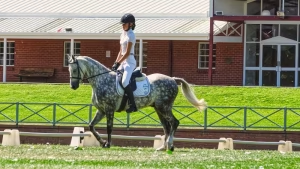
Working out how to buy a horse is one of the biggest decisions any rider will make. A horse is not a pet purchase; it is a long-term financial, time and emotional commitment that, in the UK, easily runs to £6,000–£12,000 a year before you even count the purchase price. Get the buying decision right and you will have years of partnership; get it wrong and you will spend that money and a great deal of heartache on the wrong horse. This complete UK beginner’s guide to buying a horse walks through readiness, costs, where to look, how to view, vetting, paperwork and settling in — with the steps a sensible British buyer should follow before parting with a penny.
Table of Contents
Are You Ready to Buy a Horse?
Before you start scrolling Horse & Hound classifieds, answer these honestly:
- Have you ridden regularly for at least 18 months, ideally on more than one horse?
- Do you have a current riding instructor who knows your level and would help you choose?
- Have you experienced winter horse care — mucking out at 6am in the rain, breaking ice on water troughs, mud fever, the lot?
- Do you have somewhere to keep a horse, with the budget secured for full or DIY livery?
- Could you afford an unexpected £3,000 vet bill tomorrow?
- Are you prepared for a 20+ year commitment? A horse bought aged 8 is your responsibility until it is in its late 20s or beyond.
If you cannot say yes to all six, the answer is not necessarily “don’t buy” — it might be “not yet”. Loaning or sharing for another year solves a huge number of buying mistakes before they happen.
The True Cost of Buying a Horse in the UK
The purchase price is the smallest part of the bill. UK 2026 figures, drawn from BHS, Petplan Equine and average yard data:
- Purchase price: £1,500–£3,000 for a sound, well-mannered happy hacker; £3,000–£8,000 for a competent riding club horse; £8,000–£25,000+ for proven competition stock.
- Pre-purchase vetting: £250–£400 for a 2-stage; £500–£900 for a 5-stage with X-rays.
- Transport home: £100–£500 depending on distance.
- Livery: grass livery from £100/month, DIY from £200, part livery £400–£600, full livery £700–£1,500+ depending on region. (Not sure what each option involves? See our explainer on the livery yard.)
- Insurance: £30–£80/month for vet fees, third party liability, tack and theft.
- Farrier: £40–£80 every 6–8 weeks.
- Worming, dental, vaccinations: £300–£500/year. A sensible equine worming routine is part of the running cost from day one.
- Feed and bedding: £50–£200/month.
- Saddle fitting and tack: £1,500–£3,500 to set up from scratch.
- Lessons and competing: £30–£60 per lesson, plus entries, transport and stabling.
A realistic minimum running cost on DIY livery is £6,000–£8,000 per year. Full livery in the South of England can comfortably exceed £15,000.
Define What You Need (Not What You Want)
Before you look at a single advert, write down:
- What you will actually do — happy hacker, riding club, low-level dressage, BS unaffiliated, eventing, showing.
- Your level — honestly. Ask your instructor for a second opinion.
- Height and build — the BHS recommends a horse can comfortably carry 15–20% of its bodyweight in rider plus tack. A 12 st rider on a 14.2hh native is overhorsed downwards.
- Age — for a first horse, 8–15 years is the sensible window. Younger horses make wonderful partners but are not first horses.
- Temperament — non-negotiable. A first horse should hack out alone, load, clip, stand for the farrier and live in or out without drama. It helps to read up on the typical behaviour of horses so you can tell genuine calmness from a horse that is simply shut down.
- Breed and type — for a first horse, steady native and cob types earn their reputation. A Welsh Cob or a sensible Irish Sport Horse are popular all-rounders, and if you are smaller or buying for a child our guide to the types of ponies is a useful starting point.
- What you can train through and what you cannot — be ruthless with this. Napping, rearing, bucking and biting are not your problem to fix on a first horse.
Loan, Share or Buy?
Three legitimate routes to having a horse in your life:
- Share or part-loan: ride someone else’s horse two or three days a week for a contribution. Cheapest, lowest commitment, perfect stepping stone.
- Full loan: the horse lives with you and you pay all costs, but ownership remains with the original owner. The BHS Loan Agreement is the standard UK template; use it.
- Buy: full responsibility, full freedom, full cost.
A first-time horse owner who loans for 12 months before buying virtually never regrets it; many who skip that step do.
Where to Find Horses for Sale in the UK
The reputable UK marketplaces in 2026:
- Horsemart: the largest UK classifieds site; thousands of listings, mixed quality. Filter ruthlessly.
- Horse & Hound classifieds: traditionally where higher-end horses are advertised; useful for competition prospects.
- Equine Marketplace, Whickr, Preloved, Gumtree (with caution): a mix of private and dealer ads.
- Reputable dealers: a good UK dealer with a regular turnover, after-sales support and a clear returns policy is well worth the dealer premium for a first horse. Ask for references on the local riding club Facebook group before viewing.
- Riding instructors and yard managers: word-of-mouth produces some of the best matches and avoids the “polished for sale” problem.
- RSPCA and other charity rehoming: Bransby Horses, Redwings, Blue Cross, World Horse Welfare and the BHS rehoming scheme. Most rehome on a loan basis with welfare visits, suitable for experienced or appropriately matched homes. The RSPCA buying guide is worth reading before you commit.
Avoid horse sales (auctions) for a first horse unless you are accompanied by a very experienced professional. A 10-minute trot-up at a sales ring is no basis for a 20-year partnership.
Reading an Advert Properly
Advert language has its own dialect. Translate carefully:
- “Forward going” — can be hot.
- “Needs experienced rider” — not a beginner’s horse, full stop.
- “Best in a busy yard” — may not hack alone.
- “Project” — problems unknown, knowingly or otherwise.
- “Has hacked through tractors and traffic” — ask whether that means “daily” or “once”.
- “Quick sale” or “genuine reason for sale” — possibly true, always worth the question.
Questions to Ask the Seller
Before you arrange a viewing, ask by phone or email:
- Why is the horse for sale?
- How long have they owned it, and where did it come from?
- Has it ever had colic, laminitis, kissing spine, navicular, sweet itch or other recurring issues?
- Is it good for the farrier, vet, dentist?
- Does it load and travel well?
- Does it clip?
- Does it hack alone? In company? In traffic?
- Does it live in or out, or both?
- Has it ever bucked, reared, bolted or napped?
- What competitions has it been to and at what level?
- Will the seller agree to a 5-stage vetting?
- Will they accept a deposit subject to vetting?
The First Viewing
Take your instructor or an experienced friend — do not go alone. Arrive 15 minutes early and watch how the horse is on the yard. Ask the seller to:
- Catch the horse from the field.
- Tack it up while you watch.
- Ride it themselves first — full session, walk, trot, canter, both reins.
- Stand for you to mount, with a halter check that the horse is calm.
- Then you ride: 20–30 minutes, all paces, both reins, transitions, a few jumps if relevant, a hack out (alone if claimed).
- Stand the horse for the farrier check, pick up all four feet, lead in hand.
Photograph and video everything (with permission). Take notes immediately afterwards in the car — details fade fast. A calm, willing horse that catches easily and stands quietly tells you as much about its true temperament as the ridden work does.
The Second Viewing and Trial
Always go back. The second viewing should be a different day, ideally with the horse not ridden in beforehand — ask politely and watch the seller’s reaction. Try the horse off the yard if possible, or arrange a one-to-three-week trial period at home (many private sellers and reputable dealers will agree to this for the right buyer, subject to insurance and a written trial agreement).
The Pre-Purchase Vetting
The single most important purchase you will make in the buying process. Two main options in the UK:
- 2-stage vetting (£250–£400): preliminary examination in the stable plus walk and trot in hand. Suitable for low-value horses or where competitions are not the goal. The British Equine Veterinary Association (BEVA) considers this incomplete and recommends 5-stage as the standard.
- 5-stage vetting (£500–£900): preliminary, walk and trot in hand, exercise on hard ground and in the school, period of rest, second trot up. Optional X-rays, blood tests and bone-scan add-ons. The standard for any horse you intend to compete or insure for vet fees.
A vetting assesses the horse’s soundness and overall conformation, and is your best chance to catch issues such as navicular disease or back problems like vertebral subluxation before money changes hands.
Always use an independent vet of your choice — never the seller’s vet. The vet works for you, not the horse. They are looking for issues that affect the horse’s suitability for your stated purpose, so brief them clearly: “low-level dressage and happy hacking” produces a different vetting opinion to “BS Foxhunter”.
Checking the Passport and Paperwork
UK law requires every horse to have a passport, identifying the animal by markings, microchip and date of birth. The full rules are set out in the government’s horse passport guidance. Check:
- The microchip in the passport matches the chip read by the vet during vetting.
- The horse is signed out of the human food chain (Section IX, Part II) — vital because most equine medications are otherwise restricted.
- Vaccination records are up to date (FEI requires 6-month flu boosters; affiliated British competitions require valid flu and tetanus).
- Wormer history.
- If a competition record is claimed, ask for British Dressage / British Showjumping / British Eventing membership numbers and verify online.
Agreeing the Price and Deposit
If the vetting passes, agree price in writing (email is fine) and pay a deposit (typically 10%, refundable only if the seller withdraws). Pay the balance only when you collect the horse and have the signed sale agreement and passport in hand. Bank transfer is normal; never carry the full sum in cash.
The Sale Agreement
A written sale agreement is essential, especially in private sales. Petplan Equine and the BHS publish template agreements. It should cover:
- Buyer and seller details.
- Horse description, microchip, passport number, age.
- Price, deposit and payment terms.
- Date of sale and risk transfer.
- Warranties (sound, free from vice, suitable for the stated purpose).
- Vetting status.
- Returns or trial provisions if any.
Note: under the Consumer Rights Act 2015, sales by trade dealers carry stronger statutory protections than private sales. Private sales are largely caveat emptor — the buyer’s responsibility to investigate. Get the warranties in writing.
Transport and Settling In
Use a reputable transporter or, if towing yourself, ensure your tow vehicle, trailer and driving licence are all legal for the combined weight. Plan a quiet first 7–10 days at the new yard: introduce to grazing companions slowly, keep work light, and let the horse find its routine before any major changes. A move is stressful, so watch closely for early signs of stress-related problems such as spasmodic colic in the first fortnight, and keep feed changes gradual.
Red Flags to Walk Away From
- Seller refuses a vetting.
- Seller refuses a second viewing.
- Horse is sedated, ridden in heavily before you arrive, or kept in a tightly fitted gadget.
- Microchip does not match the passport.
- Story changes between phone, viewing and vetting.
- You cannot meet the horse off the yard or hack out as advertised.
- A history of dangerous habits such as rearing or bolting — not a first-horse problem to take on.
- Seller pressures you to decide today.
- Price seems too good for what is on offer.
The right horse will still be available next week. Buying in haste is the most expensive mistake in horse ownership. The British Horse Society, RSPCA and Petplan Equine all publish detailed buyer’s guides; read them in addition to this one and take your time.
Frequently Asked Questions
How much does it cost to buy a horse in the UK?
Realistic ranges in 2026: £1,500–£3,000 for a sensible happy hacker, £3,000–£8,000 for a riding-club horse, £8,000–£25,000+ for competition prospects. Add £500–£900 for vetting, £1,500–£3,500 for tack, transport and equipment, and budget £6,000–£15,000 a year for ongoing costs depending on livery type.
What is the average cost of a horse?
For a first horse in the UK, most buyers spend somewhere between £2,000 and £6,000 on the purchase price, with a sound, sensible all-rounder typically landing around £3,000–£4,000. Cheaper horses exist, but a very low price almost always reflects age, soundness issues, behavioural problems or missing paperwork — so treat a bargain as a reason to look harder, not to rush.
What is the best age horse to buy for a beginner?
Eight to fifteen years old. Younger horses are still learning their job; older horses can be excellent first horses but may have more wear and tear and a shorter remaining ridden career. Crucially, age is less important than temperament, training and soundness — a sensible 18-year-old can be a far better first horse than a green 5-year-old.
Do I really need a 5-stage vetting?
For any horse you intend to compete with, insure for vet fees, or pay more than around £3,000 for, yes. The 5-stage exam catches things a 2-stage cannot — subtle lameness on hard ground, breathing irregularities at speed, recovery patterns. The cost is a fraction of the price of buying a horse that turns out to be unsuitable.
Can I buy a horse without a passport?
No. UK law requires every horse to have a passport, and selling a horse without one is an offence. Walk away from any seller who claims to have lost the passport, has applied for a duplicate, or insists you can “sort it later”.
What is the 3-3-3 rule when bringing a new horse home?
The 3-3-3 rule is a simple guide to settling a horse into a new home: roughly three days to get over the initial stress and start eating and drinking normally, three weeks to learn the yard routine and begin to relax, and three months to truly settle and show its real personality. Keep work light, changes gradual and expectations realistic during this period — the horse you collect is rarely the horse you have in three months’ time.
Should I loan or buy as my first horse?
If you have any doubt at all, loan first. Twelve months on a sensible loan horse teaches you what you really need from your own horse, costs a fraction of buying, and means your inevitable beginner mistakes are made on a horse you can hand back. Many of the happiest long-term owners loaned for a year or more before buying.