The Andalusian horse is one of the most celebrated breeds in the world — a horse that has carried kings into battle, performed haute école in royal courts, and continues to captivate equestrians across the globe. Also known as the Pure Spanish Horse or PRE (Pura Raza Española), the Andalusian hails from the Iberian Peninsula, where its ancestors have lived for thousands of years. With a striking appearance, exceptional temperament, and remarkable versatility, this breed remains a firm favourite in dressage arenas, show rings, and riding schools throughout the UK and beyond.
Table of Contents
History and Origins of the Andalusian Horse
The Andalusian’s roots stretch back thousands of years to the Iberian Peninsula. Cave paintings in southern Spain dating to around 20,000 BC depict horses remarkably similar to the modern breed, making the Iberian horse one of the oldest identifiable types in existence.
The breed as we know it took shape through centuries of selective breeding. When the Moors invaded Iberia in the 8th century, they brought North African Barb horses that crossed with native Iberian stock, producing a horse of extraordinary agility, stamina, and beauty. By the 15th century, the Andalusian was recognised as a distinct breed and had become the preferred mount of European nobility.
The Carthusian Monks
Perhaps no group contributed more to preserving the Andalusian’s purity than the Carthusian monks of Jerez de la Frontera, Seville, and Cazalla. From the late 15th century onwards, these monasteries maintained meticulous studbooks and breeding programmes, refusing to cross their horses with the heavier European breeds that the Spanish Crown periodically mandated. Their Cartujano (Carthusian) bloodline is still considered among the purest and most prized Andalusian lines today.
The Andalusian’s Influence on Other Breeds
The Andalusian’s influence on modern horse breeding is enormous. It played a founding role in the development of several major breeds, including:
- Lipizzaner — the famous white horses of the Spanish Riding School in Vienna
- Lusitano — Portugal’s closely related Iberian breed
- Friesian — influenced through Spanish occupation of the Netherlands
- Kladruber — the Czech ceremonial breed
- Cleveland Bay — Britain’s oldest warmblood
During the Age of Exploration, Spanish conquistadors brought Andalusians to the Americas, where they became the foundation stock for breeds such as the Mustang, Paso Fino, and Peruvian Paso.
Physical Characteristics
The Andalusian is a compact, muscular horse with an unmistakable air of nobility. Every element of its conformation speaks to centuries of careful breeding for both beauty and function.
Height and Build
Andalusians typically stand between 15.0 and 16.2 hands high (152–168 cm), with stallions averaging around 15.2hh. They weigh approximately 400–550 kg (880–1,210 lb). The breed standard calls for:
- A well-proportioned, slightly convex (sub-convex) or straight profile
- A strong, arched neck set high on well-defined withers
- A broad, deep chest with well-sprung ribs
- Powerful, rounded hindquarters
- Clean, strong legs with dense bone
- Small, well-shaped ears and large, expressive eyes
Movement
The Andalusian’s movement is one of its most celebrated features. The breed displays naturally elevated, cadenced gaits with significant impulsion from behind. The walk is ground-covering and rhythmic, the trot is elevated and elastic, and the canter is uphill and balanced. This natural carriage makes the Andalusian ideally suited to collection work and classical dressage movements such as piaffe, passage, and the airs above the ground.
Coat Colours
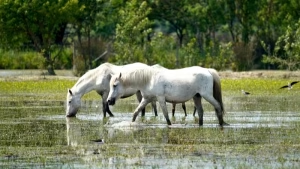
The majority of Andalusian horses are grey, typically born darker and lightening with age — a process that usually completes by around six to eight years old. However, the breed comes in several recognised colours:
- Grey — by far the most common (approximately 80% of the breed)
- Bay — the second most common colour
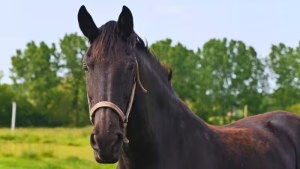
- Black — relatively rare and highly sought after (the striking black Andalusian horse is a favourite in film and photography)
- Chestnut — less common but fully accepted
- Palomino — found in certain bloodlines
- Buckskin, cremello, and dun — rare but registrable
One of the breed’s most distinguishing features is its luxuriously thick, long, flowing mane and tail. This abundant hair, combined with the breed’s elegant movement, gives the Andalusian its characteristic dramatic presence.
Temperament and Personality
The Andalusian temperament is one of the breed’s greatest assets. These horses are renowned for being:
- Intelligent — they learn quickly and retain training well
- Willing — they genuinely want to work with their rider
- Sensitive — they respond to subtle aids, making them highly trainable
- Brave — their warhorse heritage shows in their courage and composure
- Affectionate — they bond strongly with their handlers
While Andalusians are generally docile and good-natured, they are not dull or sluggish. They carry a lively spirit that, in the right hands, translates into brilliance in the arena. This combination of sensitivity and courage means they respond best to experienced, sympathetic riders who use light, clear aids rather than force.
For less experienced riders, a well-trained older Andalusian can be an excellent partner, but the breed’s natural forwardness and responsiveness mean a complete beginner would be better suited to a quieter type until they develop an independent seat.
Uses and Disciplines
Dressage and Classical Riding
The Andalusian was born for dressage. Its natural ability for collection, elevated movement, and responsiveness to the rider’s aids make it exceptional in this discipline. From local competitions through to international Grand Prix, Andalusians and their PRE-registered counterparts are increasingly competitive. The Royal Andalusian School of Equestrian Art in Jerez performs a spectacular equestrian ballet — “How the Andalusian Horses Dance” — showcasing the breed’s classical abilities.
Show Jumping and Eventing
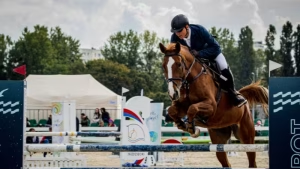
Although not traditionally associated with show jumping, the Andalusian’s power, agility, and quick reflexes enable it to perform competitively at lower and medium levels. In eventing, their bravery across country and natural balance make them capable all-rounders, though they may lack the Thoroughbred speed needed at the top levels.
Pleasure and Trail Riding
The Andalusian’s willing temperament and comfortable gaits make it an outstanding pleasure horse. In the UK, they are increasingly popular for hacking and leisure riding, where their sure-footedness, stamina, and calm disposition are valued. They handle varied terrain confidently and are generally unfazed by traffic and unexpected situations.
Working Equitation
Working equitation — a discipline rooted in the traditional cattle-working skills of southern Europe — is perfectly suited to the Andalusian. The sport combines dressage, obstacles, and speed, playing to all of the breed’s natural strengths. It is growing rapidly in the UK, with the British Horse Society now recognising the discipline.
Film and Media
The Andalusian’s dramatic appearance has made it a staple of film and television. The breed has appeared in major productions including Gladiator, Braveheart, The Lord of the Rings, and Game of Thrones. Their trainability, presence, and photogenic movement make them ideal for roles requiring a majestic, powerful horse.
Andalusian vs Lusitano: What’s the Difference?
The Andalusian and the Lusitano share common Iberian ancestry and were historically considered the same breed. Today, the key differences are:
- Registration — Andalusians are registered with Spain’s ANCCE as PRE; Lusitanos are registered with Portugal’s APSL
- Head shape — Lusitanos tend toward a more convex (Roman-nosed) profile; Andalusians may be straighter
- Traditional use — Lusitanos have a stronger association with mounted bullfighting (rejoneo); Andalusians with classical riding and carriage work
- Colour range — Lusitanos show more variety, with bay and grey being equally common
In practice, the breeds are very similar in temperament, movement, and ability. Both excel in dressage and working equitation.
Health Considerations
Andalusians are generally hardy horses with a lifespan of 25–30 years. However, there are several breed-specific health concerns that owners should be aware of:
Ischaemic Intestinal Disease
Andalusians have a higher incidence of reduced blood flow to the small intestines compared to other breeds. This can cause severe colic episodes that may require surgical intervention. Regular veterinary monitoring and prompt attention to any signs of abdominal discomfort are essential.
Laminitis
Laminitis is a particular concern for Andalusians, which tend to be good doers. Their efficient metabolism means they can easily become overweight on rich grazing, increasing the risk of this painful and potentially life-threatening hoof condition. Careful grazing management and regular weight monitoring are vital.
Equine Metabolic Syndrome (EMS)
As a breed prone to weight gain, Andalusians are at increased risk of Equine Metabolic Syndrome. This condition involves insulin dysregulation and can predispose horses to laminitis. Blood testing can identify at-risk horses, allowing early dietary intervention.
Degenerative Suspensory Ligament Desmitis (DSLD)
DSLD is a progressive condition affecting the suspensory ligaments, causing them to weaken over time. It is more prevalent in Iberian breeds than in the general horse population. Signs include progressive dropping of the fetlocks and bilateral hind-limb lameness. There is currently no cure, though management strategies can slow progression.
Melanomas
Grey Andalusians, like all grey horses, have a significantly higher incidence of melanomas. These tumours typically appear around the tail, sheath, and throat area. While many remain benign for years, some can become malignant, so regular monitoring by a vet is advisable.
Diet and Nutrition
Andalusians are efficient metabolisers — they maintain condition easily and many thrive on forage alone without supplementary hard feed. This is an advantage in terms of keeping costs down, but it means careful management is needed to prevent obesity.
Feeding Guidelines
- Forage first — high-quality hay or haylage should form the foundation of the diet (minimum 1.5% of bodyweight daily)
- Low sugar and starch — choose feeds with a combined sugar and starch content below 10% for horses prone to weight gain or metabolic issues
- Limit rich grazing – strip grazing, track systems, or grazing muzzles may be needed. The spring and autumn flushes are the obvious flashpoints, but do not treat the rest of the year as safe: a GB cohort study found laminitis occurred throughout the year with no significant difference between seasonal incidence estimates (Pollard et al., Equine Vet J 2019)
- Ration balancer — for Andalusians in light to moderate work, a good-quality ration balancer provides essential vitamins and minerals without excess calories
- Salt and water — always provide a salt lick and access to clean, fresh water
For Andalusians in harder work — such as competition dressage or eventing — additional calories from oil or unmolassed beet pulp may be appropriate. Always adjust feed to match workload and monitor body condition regularly using a body condition score.
Grooming the Andalusian
The Andalusian’s magnificent mane and tail are among its most admired features — but they require consistent care to stay tangle-free and healthy.
Mane and Tail Care
- Detangle regularly using a wide-toothed comb or fingers, working from the ends upwards
- Apply a silicone-based detangling spray to prevent breakage
- Consider plaiting the mane loosely overnight or when turned out to prevent tangles and damage
- Wash the mane and tail every few weeks with a gentle horse shampoo, followed by conditioner
Coat Care
Grey Andalusians are notorious for showing stable stains. Regular grooming with a rubber curry comb and body brush keeps the coat clean and promotes natural oil production. For lighter-coloured horses, spot-cleaning with a damp sponge between baths helps maintain their appearance. A daily grooming routine of 15–20 minutes is typical for a well-kept Andalusian.
Buying an Andalusian in the UK
Interest in the Andalusian has grown steadily in the UK over the past two decades. Prices vary considerably depending on age, training, bloodlines, and competition record:
- Unbroken youngstock: £3,000–£8,000
- Backed and lightly schooled: £8,000–£15,000
- Well-trained riding horse: £15,000–£30,000
- Competition or stallion quality: £30,000–£100,000+
Many UK buyers import directly from Spain, where there is a larger pool of horses to choose from. Specialist importers can arrange vettings, transport, and paperwork. However, buying from a UK-based breeder or dealer has the advantage of trying the horse on home soil and avoiding the complexities of international transport. For context on where elite Iberian horses sit in the wider market, see our guide to the most expensive horses.
What to Look For
- PRE registration papers — ensure the horse is registered with ANCCE (Spain’s official studbook) or the appropriate national PRE association
- Full vetting — including flexion tests and ideally X-rays of the feet and hocks
- Temperament assessment — ride the horse in different environments if possible
- Bloodline research — some lines are more prone to DSLD or metabolic issues
Breed Registries and Associations
The primary breed organisations for the Andalusian horse include:
- ANCCE (Asociación Nacional de Criadores de Caballos de Pura Raza Española) — Spain’s national PRE studbook and the breed’s governing body worldwide
- BPA (British PRE Association) — the UK affiliate, organising shows, grading events, and breed promotion
- BAPSH (British Association for the Purebred Spanish Horse) — another UK body dedicated to the breed
- IALHA (International Andalusian and Lusitano Horse Association) — registers both Andalusians and Lusitanos internationally
These organisations maintain pedigree records, set breed standards, organise grading and inspection events, and provide resources for owners, breeders, and enthusiasts.
Frequently Asked Questions
What is so special about Andalusian horses?
The Andalusian combines striking beauty, exceptional intelligence, and remarkable versatility in a single breed. Their naturally elevated, cadenced movement makes them outstanding dressage horses, while their brave yet gentle temperament means they excel across disciplines from working equitation to pleasure riding. Their rich history — spanning thousands of years from Iberian warhorses to European royal courts — adds to their mystique. Few breeds match the Andalusian’s combination of presence, trainability, and athletic ability.
Are Andalusian horses good for beginners?
A well-trained older Andalusian can be suitable for a confident novice rider, as the breed is naturally willing and forgiving. However, their sensitivity, forward movement, and intelligence mean they respond to every shift in the rider’s weight and leg — which can be overwhelming for a complete beginner. Most instructors would recommend an intermediate rider as the minimum level for an Andalusian, unless the individual horse has a particularly quiet disposition.
How much does an Andalusian horse cost in the UK?
In the UK, Andalusian horses typically range from £3,000 for unbroken youngstock to £30,000 or more for a well-trained riding horse with good bloodlines. Top-quality stallions, advanced dressage horses, and horses with exceptional pedigrees can fetch £50,000–£100,000+. Importing from Spain is often cheaper for the horse itself but adds transport, quarantine, and paperwork costs of approximately £2,000–£4,000.
What is another name for the Andalusian horse?
The Andalusian is also known as the Pura Raza Española (PRE), which translates as Pure Spanish Horse or Pure Spanish Breed. The term PRE refers specifically to horses registered with Spain’s ANCCE studbook. Historically the breed was also called simply the Spanish Horse or the Iberian Horse, reflecting its origins on the Iberian Peninsula.
Are Andalusian horses the same as Lipizzaners?
No, though they are closely related. The Lipizzaner was developed from Andalusian and other Iberian stock in the 16th century by the Habsburg court. While both breeds share a talent for classical dressage and high school movements, the Lipizzaner is a separate breed with its own studbook, managed by the famous Spanish Riding School in Vienna. Lipizzaners tend to be slightly more compact than Andalusians and are almost exclusively grey.
What health problems are common in Andalusian horses?
Andalusians are predisposed to several health conditions, including laminitis (due to their tendency to gain weight easily), Equine Metabolic Syndrome, ischaemic intestinal disease (reduced blood flow to the small intestines), and DSLD (degenerative suspensory ligament desmitis). Grey Andalusians also have an increased risk of melanomas. Regular veterinary checks, careful diet management, and awareness of these breed-specific risks help ensure a long, healthy life.