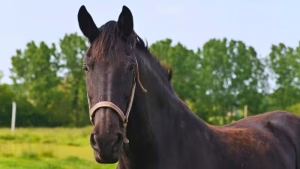
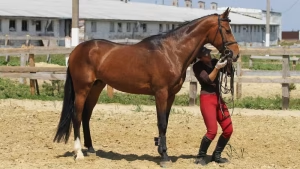
The Connemara pony is one of the most versatile and capable native breeds in the British Isles. Originating from the rugged west coast of Ireland, these ponies combine athleticism, hardiness, and a genuinely kind temperament — qualities that have made them popular with riders of all ages across the UK and beyond.
Whether you are considering buying a Connemara, already own one, or simply want to learn more about the breed, this guide covers their history, characteristics, abilities, and what it takes to keep one well.
Table of Contents
History and Origins
The Connemara pony takes its name from the Connemara region in County Galway, on Ireland’s Atlantic coast. This is a landscape of bog, rock, and poor grazing — conditions that over centuries produced a pony of exceptional hardiness and sure-footedness.
The breed’s exact origins are debated. Native ponies have lived in the region for thousands of years, but several infusions of outside blood shaped the modern Connemara:
- Spanish influence — Legend holds that horses from the Spanish Armada swam ashore in 1588 and bred with local stock, introducing Andalusian blood. While the story is romantic, there is historical evidence of Spanish horse trading with the west of Ireland throughout the 16th century.
- Arabian and Thoroughbred crosses — In the 18th and 19th centuries, estate owners introduced Eastern and Thoroughbred blood to refine the native stock. This added quality and athleticism without losing the pony’s fundamental toughness.
- Welsh and Irish Draught influence — Further crosses in the early 20th century contributed bone and substance.
By the early 1900s, indiscriminate crossbreeding had begun to dilute the Connemara’s distinctive type. The Connemara Pony Breeders’ Society (CPBS) was founded in 1923 to establish a stud book and protect the breed. Their work — selecting foundation stock from the best remaining ponies on the Connemara hills — created the breed standard that still guides registration today.
Physical Characteristics
Size
The Connemara stands between 128 cm and 148 cm (12.2 to 14.2 hands), placing it at the larger end of the pony spectrum. This height range is one of the breed’s great strengths — a well-built 14.2 hh Connemara can comfortably carry an adult rider while remaining eligible for pony classes in competition.
Build
The ideal Connemara has a compact, well-muscled body with:
- A well-set, quality head with a straight or slightly dished profile
- Large, kind eyes and neat, well-pricked ears
- A well-laid-back shoulder giving a good length of rein
- A strong back with well-sprung ribs
- Powerful hindquarters — the engine behind the breed’s jumping ability
- Clean, hard legs with short cannon bones and well-defined tendons
- Strong, sound hooves — a legacy of generations on rocky Irish terrain
Colours
Grey is the most iconic Connemara colour, and a large proportion of the breed are grey. However, the breed standard also accepts bay, black, brown, chestnut, dun, palomino, buckskin, and roan. Piebald and skewbald colouring is not permitted for registration.
Temperament and Personality
Ask any Connemara owner what drew them to the breed and the answer almost always starts with temperament. These ponies are:
- Intelligent — Quick to learn and responsive to training. This can occasionally mean they are sharp enough to test an inexperienced handler, but it is intelligence rather than wilfulness.
- Willing — Connemaras genuinely want to work. They are honest ponies that try hard, whether on the flat, over fences, or out hacking.
- Sensible — Bred in a tough environment, they tend to think before reacting. This makes them reliable in traffic, at shows, and in unfamiliar situations.
- Kind — A well-bred Connemara is genuinely good-natured. They bond closely with their riders and are forgiving of mistakes, which is why they are so popular as children’s ponies and confidence-builders.
That said, Connemaras are not push-button ponies. They have presence and personality, and a bored or under-worked Connemara can become opinionated. They thrive with regular work, variety, and a rider who appreciates their intelligence.
What Connemaras Excel At
Show Jumping
The Connemara is arguably the best jumping pony breed in the world. Their powerful hindquarters, natural balance, and bold attitude produce ponies that jump well above their height. Connemaras regularly compete — and win — at national and international level in pony show jumping. Many sport horse breeders use Connemara stallions specifically to produce athletic jumping offspring.
Eventing
Eventing plays to every one of the Connemara’s strengths: dressage obedience, cross-country courage and stamina, and show jumping precision. The breed’s sure-footedness and cool head make them particularly strong across country.
Dressage
While not traditionally thought of as a dressage breed, Connemaras have good natural paces and the intelligence to learn lateral work and collection. They compete successfully in affiliated dressage at pony level and are increasingly seen in para-dressage.
Showing
In UK showing, Connemaras compete in mountain and moorland (M&M) classes — both in-hand and ridden. They also appear in working hunter pony classes, where their natural jumping ability and manners make them competitive. In the ring they are judged alongside Britain’s other mountain and moorland breeds, including the New Forest, Dales, and Highland pony.
Family Pony
Perhaps the Connemara’s greatest role is as a family all-rounder. A 14 hh Connemara can carry an older child or teenager through Pony Club, then transition to a small adult for hacking and light competition. Their longevity and soundness mean they often serve a family for many years.
Owning a Connemara Pony
Feeding
Connemaras are native ponies and generally good doers. They evolved on sparse grazing and do not need — and should not be given — the same level of hard feed as a Thoroughbred in equivalent work. Overfeeding a Connemara is a genuine risk, as excess weight can lead to laminitis and metabolic problems.
For most Connemaras in light to moderate work, good-quality forage (hay or haylage) and a feed balancer for vitamins and minerals is sufficient. Ponies in harder work may need additional concentrate feed, but amounts should be moderate.
Turnout
These ponies are built to live outdoors. Most Connemaras thrive on turnout and do not need to be stabled unless the weather is extreme or grazing must be restricted. Strip grazing or a track system can help manage weight in spring and summer when grass sugar levels are high.
Exercise
Connemaras need regular work or activity to stay mentally and physically healthy. A pony left in a field with nothing to do will become unfit and potentially difficult to manage when ridden. Even if competitive work is not planned, regular hacking, schooling, or variety activities such as polework keep a Connemara happy.
Hoof Care
The breed generally has strong, hard feet. Many Connemaras work well unshod, particularly if doing light to moderate work on varied terrain. Regular farrier visits (every six to eight weeks) are still essential whether shod or barefoot.
Health and Common Conditions
Connemaras are a hardy breed with few breed-specific health problems, but owners should be aware of:
Hoof Wall Separation Disease (HWSD)
HWSD is a genetic condition specific to Connemaras. It causes the outer hoof wall to separate and crack, leading to chronic lameness in affected horses. HWSD is autosomal recessive — a pony must inherit the gene from both parents to be affected.
DNA testing for HWSD is widely available and is now a standard part of responsible breeding practice. The Connemara Pony Breeders’ Society and the British Connemara Pony Society both encourage testing of breeding stock. When buying, always ask whether the pony has been tested and request documentation.
Laminitis and Metabolic Conditions
As native ponies, Connemaras are susceptible to laminitis, particularly if overfed or given unrestricted access to lush spring and autumn grazing. Equine metabolic syndrome (EMS) and Cushing’s disease (PPID) can also affect the breed, especially in older ponies. Weight management and regular veterinary monitoring are the best preventive measures.
General Health
Beyond these breed-related considerations, Connemaras require the same routine care as any horse: regular worming, vaccination, dental checks, and farriery. Their natural hardiness means they tend to be low-maintenance compared to finer breeds, but they are not immune to common equine conditions such as colic, mud fever, or sweet itch.
Breeding and Registration
Connemara breeding is governed by two main societies relevant to UK owners:
- Connemara Pony Breeders’ Society (CPBS) — The Irish parent society, based in Clifden, County Galway. Maintains the original stud book and holds the annual Connemara Pony Show each August.
- British Connemara Pony Society (BCPS) — The UK daughter society. Maintains a British stud book, organises showing, and promotes the breed in the UK.
To be registered as a purebred Connemara, a pony must have both parents registered in a recognised Connemara stud book. The breed standard specifies height (not exceeding 148 cm), colour restrictions (no piebald or skewbald), and conformation requirements. Part-bred Connemaras — crosses with other breeds — can be registered in a separate section and are popular as sport horses.
The annual Clifden show remains the most important event in the Connemara calendar, attracting breeders from across the world. In the UK, the BCPS runs breed shows, performance awards, and young stock evaluations throughout the year.
Buying a Connemara Pony in the UK
Connemaras are readily available in the UK, both from breeders and on the second-hand market. When buying, consider:
- Registration papers — Always check that the pony is registered with CPBS or BCPS if buying as a purebred. Papers confirm parentage, HWSD testing status, and competition eligibility.
- Vetting — A pre-purchase veterinary examination is essential. This should include flexion tests and ideally X-rays of the feet, particularly given the breed’s susceptibility to HWSD.
- HWSD status — Ask for HWSD test results. Buying a carrier (one copy of the gene) is acceptable for a riding pony but not for breeding without careful mate selection. Avoid buying an affected pony (two copies) unless you fully understand the management implications.
- Try before you buy — Ride the pony in multiple settings if possible: in the school, out hacking, and ideally at a show or busy environment. Connemaras are generally honest but each has its own personality.
- Price guide — Prices vary widely. As a rough guide for 2026, expect around £2,000–£5,000 for an unbroken youngster or an older, well-mannered pony, £5,000–£12,000 for a well-schooled registered riding pony, and £15,000 or more for a proven competition pony or licensed stallion. In South Africa, registered Connemaras are rare and usually imported, so expect a premium. Part-breds are generally less expensive than purebreds.