Table of Contents
Highland Pony at a Glance
| Height | 13–14.2 hh (132–148 cm) |
|---|---|
| Weight | 450–600 kg |
| Origin | Scottish Highlands & Islands |
| Colours | Dun, grey, bay, brown, black, liver chestnut |
| Temperament | Calm, willing, hardy, sensible |
| Lifespan | Late 20s to 30+ years |
| Main uses | Trekking, driving, RDA, deer stalking, family pony |
| Typical UK price | ~£500 (youngstock) to £5,000+ (proven ridden) |
| Conservation status | At risk (Rare Breeds Survival Trust) |
| Also known as | Garron |
What Is a Highland Pony?
The Highland pony is one of Britain’s largest and oldest native pony breeds, originating from the Scottish Highlands and islands. Known in Gaelic as the garron, it is one of only three native pony breeds of Scotland. Standing between 13 and 14.2 hands high, these ponies combine remarkable strength with a gentle, willing temperament that has made them valued working partners for centuries and increasingly popular all-round family ponies today.
Recognised by the Highland Pony Society (founded in 1923), the breed is known for its hardiness, sure-footedness and distinctive dun colouring with primitive markings. Despite their many qualities, Highland ponies are classified as “at risk” by the Rare Breeds Survival Trust, with fewer than 5,500 registered ponies worldwide.
History and Origins
Evidence of ponies in the Scottish Highlands dates back to at least the 8th century BCE. The ancestors of today’s Highland pony evolved over thousands of years in one of the harshest environments in the British Isles, developing the dense double coat, strong bone and sure-footedness that define the breed.
By the mediaeval period, Highland ponies were indispensable to crofting life. They hauled peat and timber, carried grain to market, ploughed the steep, rocky fields that no ox could manage, and provided the only reliable transport through roadless glens. Their willingness to work in appalling conditions — driving rain, deep snow, boggy moorland — was not a bonus but a survival requirement.
From the 16th century onward, the breed was influenced by outcrosses to French and Spanish horses, including Percherons and Andalusians, brought to Scotland through trade and royal connections. Arabian blood was introduced in the 19th century, refining the breed’s head without sacrificing its substance. The Highland Pony Society’s stud book, established in 1880, formalised breeding standards and helped preserve the breed’s essential character.
Physical Characteristics
The Highland pony is a compact, powerfully built animal with substance that belies its height:
- Height: 13hh to 14.2hh (132–148 cm)
- Weight: 450–600 kg
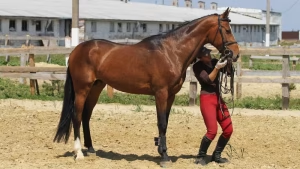
- Build: Deep chest, strong short back, muscular quarters, well-sprung ribs
- Legs: Short, flat bone with minimal feathering — a silky tuft at the fetlock rather than heavy hair
- Head: Broad forehead, large kind eyes, short ears, wide nostrils
- Mane and tail: Thick and flowing, traditionally left untrimmed for showing
- Hooves: Hard, well-shaped, typically dark — many Highlands work unshod on rough ground
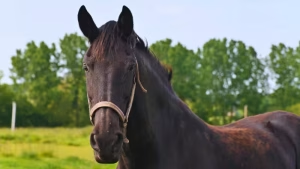
Their double coat is one of their most distinctive features. The outer layer consists of coarse, oily guard hairs that repel rain, while the dense undercoat provides insulation. This combination allows Highland ponies to live out year-round in Scottish conditions that would leave many other breeds in poor condition. The winter coat sheds in spring, revealing a sleeker summer coat.
Highland Pony Colours and Markings
Highland ponies come in a range of colours, all of which are accepted by the breed society:
- Dun — The most iconic Highland colour, ranging from mouse dun through yellow dun to cream dun. Most dun ponies display primitive markings.
- Grey — From steel grey to near-white, often born dark and lightening with age
- Bay and brown
- Black — Less common but striking
- Liver chestnut — With a silver or flaxen mane and tail
The breed’s primitive markings are a hallmark feature and include a dorsal stripe (also called an eel stripe) running from poll to dock, zebra striping on the legs, and occasionally a shoulder stripe. These markings are most prominent in dun ponies and are considered highly desirable. White markings are not favoured — a small star is acceptable, but extensive white on the face or legs is discouraged.
Temperament and Character
The Highland pony’s temperament is one of its greatest assets. These ponies are:
- Calm and sensible — Rarely spooky, they take most situations in their stride. This makes them superb confidence-givers for nervous riders.
- Willing and trainable — They genuinely want to please, though they can be opinionated if they think they know a better way to do something.
- Patient — Excellent with children, the elderly, and riders with disabilities. Widely used in RDA (Riding for the Disabled) programmes.
- Tough and stoic — Bred to endure, they rarely complain, which means owners must be observant — a Highland pony in discomfort may not show obvious signs.
- Intelligent — Quick learners who remember their training, but can become bored with repetitive schooling.
Their character suits a wide range of riders and handlers, from complete beginners to experienced horsemen looking for a reliable, low-maintenance partner. The breed’s unflustered nature also makes Highlands popular for natural horsemanship and groundwork training.
Uses and Versatility
Few native breeds can match the Highland pony’s versatility:
- Trekking and trail riding — Their sure-footedness on rough terrain makes them the breed of choice for Highland trekking centres. They can carry heavy adult riders comfortably.
- Showing — Highland classes at major shows like the Royal Highland Show and Horse of the Year Show are highly competitive. In-hand and ridden classes assess breed type, movement and presence.
- Driving — Their strength and calm temperament make them excellent carriage driving ponies, suitable for both pleasure driving and competitive driving trials.
- Eventing and jumping — Highland ponies crossed with Thoroughbreds produce talented event horses. Purebred Highlands can also jump well within their scope.
- Endurance — Their stamina and easy-keeping nature suit long-distance riding.
- Conservation grazing — Increasingly used for habitat management, their grazing habits benefit wildflower meadows and heathland without the damage heavier animals cause.
- Therapeutic riding — Their steady temperament and comfortable gaits make them ideal RDA ponies.
The Highland Pony and Deer Stalking
Perhaps the most iconic role of the Highland pony is as a deer stalking pony on Scottish estates. After a stag is shot on the hill, the pony carries the carcass — which can weigh over 100 kg — back down steep, uneven terrain that no vehicle can reach.
This work demands absolute trust between pony and handler. The pony must stand quietly during the stalk (often for hours in driving rain), remain calm whilst the carcass is loaded, and then pick its way down precipitous hillsides loaded with a heavy, unstable burden. It is a role that only the steadiest, strongest ponies can perform, and Highland ponies have been doing it for centuries.
Many Highland estates — including Balmoral, Atholl and Invermark — continue to use traditional pony-led stalking, both for practical reasons and to preserve this aspect of Highland heritage.
The Royal Connection
The Highland pony’s association with the British Royal Family is well documented. Queen Victoria kept Highlands at Balmoral in the 19th century, recognising their value for estate work and riding in the Scottish hills.
Queen Elizabeth II was a lifelong supporter of the breed and maintained a working herd of Highland ponies at Balmoral Estate throughout her reign. Her ponies were used for deer stalking and estate work, and she frequently attended Highland pony classes at the Royal Highland Show. The Balmoral stud produced many champion ponies and contributed significantly to the breed’s genetics.
King Charles III has continued this tradition, and the Balmoral Highlands remain among the most respected bloodlines in the breed.
Caring for a Highland Pony
Feeding
Highland ponies are famously easy keepers — they evolved to thrive on sparse Highland vegetation and need far less feed than most owners expect. In fact, overfeeding is a far greater risk than underfeeding. Most Highlands do well on:
- Good quality hay or haylage as the staple diet
- Limited or no hard feed unless in regular hard work
- Restricted grazing in spring and summer to prevent obesity
- A broad-spectrum vitamin and mineral supplement if grazing alone
Strip grazing, track systems or late-turn-out routines can help manage weight on rich lowland pasture. Monitor body condition regularly — Highland ponies are adept at putting on weight quietly.
Shelter and Living Out
Highland ponies are perfectly suited to living out year-round provided they have access to shelter from wind and rain — a field shelter, thick hedgerow or stand of trees is usually sufficient. Their dense double coat means they rarely need rugging, and in many cases a rug does more harm than good by flattening the coat’s natural insulating properties.
Hoof Care
Many Highland ponies work unshod, their hard, well-shaped hooves managing most ground conditions without shoes. Regular trimming every 6–8 weeks is essential. If working regularly on roads or hard ground, front shoes may be beneficial. Consult your farrier based on your pony’s workload and hoof condition.
Grooming
The Highland’s thick mane and tail are traditionally left untrimmed and unpulled for showing. Daily grooming keeps the coat healthy but avoid over-bathing, which strips the natural oils that give the outer coat its waterproofing quality.
Health Considerations
Highland ponies are generally healthy and robust, but owners should be aware of several breed-specific considerations:
- Laminitis — The biggest health risk for Highland ponies. Their efficient metabolism and tendency to gain weight on rich grass makes them susceptible. The spring and autumn flushes are the obvious flashpoints, but laminitis is a year-round problem rather than a seasonal one: a GB cohort study found no significant difference between seasonal incidence estimates (Pollard et al., Equine Vet J 2019), and a GB case-control study found summer and winter carried an increased risk compared with spring (Wylie et al., Vet J 2013). Careful weight management matters all year.
- Equine Metabolic Syndrome (EMS) — Related to obesity and insulin resistance, this condition is more common in native pony breeds. Regular monitoring of weight and body condition helps prevent it.
- Sweet itch — Some Highland ponies suffer from this allergic reaction to midge bites, causing intense itching and skin damage, particularly along the mane and tail.
- Longevity — Well-cared-for Highland ponies commonly live into their late twenties and sometimes beyond thirty, making them a long-term commitment.
Conservation Status
Despite their many qualities, Highland ponies are classified as “at risk” by the Rare Breeds Survival Trust, with the global population estimated at fewer than 5,500 registered animals. The breed faces several challenges:
- Declining working roles — Fewer estates use ponies for traditional deer stalking
- Crossbreeding — Highland x Thoroughbred crosses produce popular event horses, but this diverts breeding stock from the purebred population
- Small gene pool — Maintaining genetic diversity within a small population requires careful management
The Highland Pony Society, Rare Breeds Survival Trust and dedicated breeders across Scotland and beyond work to preserve the breed through breeding programmes, education and promotion. Supporting purebred Highland breeders — whether by buying a registered pony or attending breed shows — contributes directly to the breed’s survival.
Buying a Highland Pony
If you’re considering buying a Highland pony, keep the following in mind:
- Buy from a registered breeder — The Highland Pony Society maintains a list of registered breeders and ponies for sale.
- Check registration — Ensure the pony is registered with the Highland Pony Society and has a valid passport.
- Assess for your needs — Highlands range from 13hh to 14.2hh, so choose a size appropriate for your intended rider. A well-made 14hh Highland can comfortably carry a 13-stone adult.
- Veterinary examination — Always arrange a pre-purchase vetting, paying particular attention to lameness, metabolic health and breathing.
- Expect to pay — Prices vary widely from a few hundred pounds for an unbroken youngster to several thousand for a proven ridden or competition pony.
How big do Highland ponies get?
Highland ponies stand between 13 and 14.2 hands high (132–148 cm at the withers). They are among the largest of Britain’s native pony breeds, with a stocky, powerful build that allows them to carry adult riders comfortably despite their height. They typically weigh between 450 and 600 kg.
Are Highland ponies good for beginners?
Yes, Highland ponies are excellent for beginners and nervous riders. Their calm, unflappable temperament, steady gaits and patient nature make them superb confidence-builders. They are widely used in riding schools and RDA (Riding for the Disabled) programmes. However, their strength means a beginner should have guidance from an experienced handler, particularly with young or unbroken ponies.
Can Highland ponies live out all year?
Highland ponies are well adapted to living out year-round, even in harsh Scottish winters. Their dense double coat provides excellent insulation and waterproofing. They need access to shelter from wind and rain (a field shelter or thick hedgerow is sufficient), fresh water and appropriate forage. Most do not need rugging, and in fact rugs can flatten their coat’s natural insulating properties.
Are Highland ponies prone to laminitis?
Yes, Highland ponies are susceptible to laminitis due to their efficient metabolism and tendency to gain weight easily, particularly on rich lowland pasture. Careful weight management — including restricted grazing, limited hard feed and regular exercise — is essential. The spring and autumn flushes deserve extra care, but this is not a seasonal disease: a GB cohort study found laminitis occurred throughout the year with no significant difference between seasonal incidence estimates (Pollard et al., Equine Vet J 2019), so manage weight and grazing year-round.
What is a Highland pony used for?
Highland ponies are remarkably versatile. They are used for trekking, showing, driving, therapeutic riding, conservation grazing and as all-round family ponies. Their traditional role as deer stalking ponies on Scottish estates continues today. Crossed with Thoroughbreds, they also produce talented event horses.