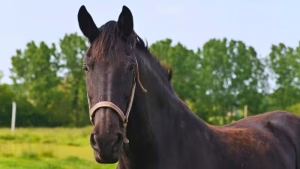
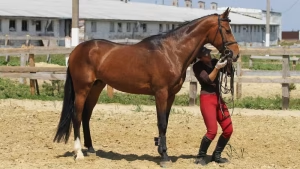
The cob horse is among the most popular types of horse in the United Kingdom — and for good reason. Strong, sensible, and versatile, the cob suits a wide range of riders from nervous beginners to experienced competitors. But the word “cob” trips people up. It does not refer to a single breed. It describes a type: a particular combination of build, substance, and temperament that appears across several breeds and many crossbreds. This guide explains what defines a cob horse, the different varieties you will meet, what they cost, how to care for them, and why cobs remain so sought after.
Table of Contents
What Is a Cob Horse?
A cob horse is not a breed — it is a type. Unlike a Thoroughbred or an Arabian, there is no single registry that defines a cob through bloodlines alone. Instead, “cob” describes a horse that combines specific physical and temperamental characteristics: substantial bone, short strong legs, a compact barrel, a broad and rounded body, and a calm, genuine temperament. Think of the cob as the draught horse’s sensible cousin — powerful enough to carry weight, level-headed enough for a wide range of riders.
Generally, a cob stands between 14 and 15.1 hands high, although larger “maxi cobs” exceed this. The defining feature is substance rather than height: a true cob looks like a lot of horse on relatively short legs. Because it is a type, a cob can be purebred (such as a Welsh Cob) or, far more commonly, a crossbred carrying draught blood from breeds like the Clydesdale, Shire, or Irish Draught crossed with lighter riding stock.
Cob Horse Physical Characteristics
While individual cobs vary, the type shares a recognisable physical blueprint:
- Height: Typically 14 to 15.1hh, with maxi cobs standing taller. Many cobs sit right around the 14.2hh pony/horse boundary.
- Bone: Heavy, dense bone below the knee — the hallmark of a cob. Show standards often quote eight to nine inches of bone (the measurement around the cannon below the knee).
- Body: A short, strong back, deep girth, broad chest, well-sprung ribs, and rounded, powerful quarters.
- Legs and feet: Short, sturdy limbs with good, hard feet. Weight-carrying ability comes from this combination of bone and compact build.
- Head and neck: A kind, sensible head set on a strong, slightly crested neck.
- Feather: Many cobs — especially traditional and gypsy types — carry abundant feather on the lower legs, while show cobs are traditionally trimmed or hogged for a clean outline.
For a fuller picture of how bone, build, and proportion are assessed, see our guide to horse conformation.
Cob Horse Temperament
If substance is the cob’s body, sensibility is its soul. The classic cob temperament is calm, willing, unflappable, and forgiving. Cobs are typically not spooky, cope well with traffic and busy environments, and tend to look after a less confident rider. This steady nature is exactly why they are so prized as family horses and confidence-givers.
That said, cobs are intelligent and can be quietly stubborn. They respond best to consistent, fair handling and clear boundaries. Their relaxed attitude should never be mistaken for laziness that justifies harsh aids — a well-schooled cob is responsive and genuine. Understanding your individual horse’s personality and temperament always pays off.
Types of Cob Horse
Because “cob” is a type, several distinct varieties exist. Knowing them helps you understand exactly what is being advertised when you see a “cob for sale”.
- Traditional / Gypsy Cob: The heavily feathered, often piebald or skewbald cob associated with Romany and Traveller communities, also called the Irish Cob, Gypsy Vanner, or Tinker. Stocky, abundantly feathered, and famously docile.
- Welsh Cob (Section D): A true breed within the Welsh Pony and Cob registry. Standing over 13.2hh with no upper height limit, the Welsh Cob is more refined and athletic than the traditional cob, with spectacular trot and presence.
- Show Cob: A type shown under recognised showing rules, defined by quality, substance, and a first-class ride. Show cobs are traditionally hogged (mane removed) and trimmed clean of feather.
- Riding / Sports Cob: A lighter, often less feathered cob bred or crossed for riding-club, hacking, and lower-level competition use.
- Maxi Cob: A cob exceeding 15.1hh, suited to taller or heavier riders who still want the cob’s substance and temperament.
- Norman Cob: A French breed of light draught horse — see our profile of the Norman Cob — historically used for farm and harness work in Normandy.
If you are weighing up a cob against a native pony, our overview of the types of ponies is a useful companion read.
Show Cob Classes Explained
In the UK show ring, cobs are judged in clearly defined classes, usually under British Show Horse Association rules. Cobs must stand over 148cm (14.2hh) and are split by weight-carrying capacity:
- Lightweight Cob: Capable of carrying up to around 14 stone (89kg).
- Heavyweight Cob: Capable of carrying over 14 stone, with even more bone and substance.
- Maxi Cob: Exceeding 155cm (around 15.1hh), combining cob substance with extra height.
A show cob must demonstrate substance, presence, quality, and correct movement — but above all it must be an excellent, mannerly ride, since the judge typically rides each horse. The traditional hogged mane and clean legs are part of the look. For the rosette hunters, our guide to building condition and a glossy turnout starts with good body condition scoring.
What Are Cob Horses Used For?
Versatility is the cob’s calling card. A single cob can realistically turn its hoof to most amateur disciplines:
- Happy hacking and riding club: Their bombproof attitude makes them superb all-rounders.
- Showing: A booming discipline, from local shows to the Horse of the Year Show.
- Riding for the Disabled and therapy: Their calm steadiness suits RDA and assisted-riding work.
- Lower-level dressage and jumping: Cobs are increasingly competitive at riding-club and unaffiliated level.
- Driving: Strong and willing in harness, cobs are popular driving horses.
- Weight carrying: Their bone and substance let them comfortably carry adult riders that lighter horses cannot.
Are Cob Horses Good for Beginners?
For many beginners and returning riders, a cob is close to the ideal first horse. Their calm temperament, sure-footedness, comfortable build, and tolerance of rider error give nervous riders confidence. The smaller, compact frame can feel far less intimidating than a tall, sharp Thoroughbred type.
That said, “cob” is no guarantee of suitability on its own — temperament and training vary from horse to horse, and a green or under-schooled cob is still a green horse. Always try a horse several times, ideally with an experienced person or instructor, and have any prospective purchase vetted. A well-mannered, established cob is a wonderful teacher; an unhandled youngster of cob type is not a beginner’s project.
How Much Does a Cob Horse Cost?
Prices vary enormously with age, training, breeding, and showing record. As a broad 2026 guide:
- UK: Unbacked or basic happy-hacking cobs often sell from around £1,000 to £3,500. A well-schooled, sensible all-rounder typically runs £4,000 to £8,000, while proven show cobs and quality Welsh Cobs can reach £10,000 to £20,000 or more.
- South Africa: Cob types are less common, but sturdy, sensible riding cobs and crosses generally range from around R20,000 to R70,000, with well-schooled or show-quality animals priced higher.
Remember that the purchase price is the smallest part of horse ownership. Livery, feed, farriery, insurance, and veterinary care dwarf it over a horse’s lifetime — and cobs, being good doers, at least tend to be economical to feed.
Caring for a Cob Horse
Cobs are generally hardy, low-maintenance horses, but their very efficiency creates two specific care priorities:
- Watch the waistline. Cobs are classic “good doers” that gain weight easily on lush grass. Obesity sharply raises the risk of laminitis and equine metabolic syndrome, so most cobs need restricted grazing, soaked hay, and a low-calorie balancer rather than hard feed. Regular condition scoring is essential.
- Feather and skin care. Heavily feathered legs trap moisture and mud, predisposing cobs to mud fever (pastern dermatitis) and to chronic progressive lymphoedema in extreme cases. Keep feathers clean and dry, check the skin beneath regularly, and manage mud carefully in winter.
Beyond that, cobs need the same basics as any horse: routine farriery every six to eight weeks, dental checks, worming based on faecal egg counts, and vaccinations. Their sound, hard feet and tough constitution make them refreshingly straightforward to keep. For seasonal skin problems, our overview of common horse skin diseases is a helpful reference.
Frequently Asked Questions
What is a cob horse?
A cob horse is a type rather than a breed: a stocky, strong, short-legged horse with heavy bone, a compact body, and a calm temperament, capable of carrying considerable weight. Cobs can be purebred (such as the Welsh Cob) but are most often crossbreds carrying some draught blood.
How tall is a cob horse?
Most cobs stand between 14 and 15.1 hands high. “Maxi cobs” exceed 15.1hh for taller or heavier riders. Height matters less than substance — a true cob carries a lot of body and bone on relatively short legs.
What is the lifespan of a cob horse?
Cobs are hardy and long-lived, typically reaching 25 to 30 years with good care, and many stay sound and rideable well into their twenties. Managing their weight to prevent laminitis and metabolic problems is the single biggest factor in a long, healthy life.
Are cob horses good for beginners?
A well-schooled, established cob is one of the best choices for a beginner thanks to its calm, sensible temperament and sturdy, comfortable build. However, suitability depends on the individual horse’s training and manners, not just its type, so always try and vet any prospective horse with experienced help.
What is the difference between a cob and a Welsh Cob?
“Cob” is a general type, while the Welsh Cob (Section D) is a specific, registered breed from the Welsh Pony and Cob Society. Welsh Cobs are more refined and athletic, with famously powerful, flashy movement, whereas the broader cob type includes traditional, gypsy, riding, and show cobs of varied breeding.