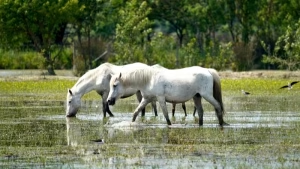
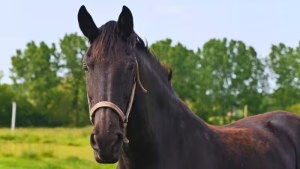
The Arabian horse is arguably the most influential breed in equestrian history. Every modern Thoroughbred traces its male line to one of three Arabian foundation stallions imported into Britain in the 17th and 18th centuries, and Arabian blood flows through warmbloods, sport horses and native breeds on every continent. For a horse that originated in the deserts of the Arabian Peninsula, this is a remarkable global footprint — one that tells you something about what makes the Arabian genuinely extraordinary. This 2026 guide covers Arabian history, breed characteristics, temperament, racing and endurance dominance, key health conditions, and what UK and South African owners need to know before buying one.
Table of Contents
History and Origins
The Arabian is one of the oldest documented horse breeds in the world, with archaeological and written evidence dating back at least 3,500 years to the Arabian Peninsula. The Bedouin tribes of modern-day Saudi Arabia, Yemen, Oman, Jordan and Syria selectively bred horses with the stamina, soundness and trainable temperament needed for desert survival — and prized their mares so highly that they shared tents with them and recorded oral pedigrees for generations.
From the 7th century onwards, Arabian horses spread across the Islamic world. They reached Spain through the Moorish conquest, North Africa via trade, and across the Middle East and Asia. By the 17th and 18th centuries, Arabian stallions were being imported into Britain — most famously the Byerley Turk (1680), the Darley Arabian (1704) and the Godolphin Arabian (1729), who together founded the Thoroughbred breed. Today, every Thoroughbred in the world traces its male line back to one of these three Arabians, and Arabian blood has shaped almost every modern light-horse breed.
The World Arabian Horse Organisation (WAHO), founded in 1970, oversees Arabian breed registries in more than 80 countries. In the UK, the Arab Horse Society (AHS) was founded in 1918 and remains the governing studbook. In South Africa, the Arab Horse Society of Southern Africa (AHSSA) plays the equivalent role.
Physical Characteristics
The Arabian is one of the most easily identifiable breeds at a glance. Defining features include:
- Height: Typically 14.2-15.2 hands (147-157 cm). Modern UK and US show Arabians have been bred slightly taller, with some lines reaching 15.3 hh.
- Weight: 360-450 kg, classified as a light/oriental horse
- Head: Dished concave profile with broad forehead, large nostrils, fine muzzle and prominent eyes set wide apart
- Skeletal differences: Most Arabians have 17 ribs (compared to 18 in other breeds), five lumbar vertebrae (compared to six) and 16 caudal vertebrae (compared to 18) — this is the source of the breed’s distinctive short, level topline and high tail carriage
- Coat colours: Bay, grey, chestnut, black and roan are recognised by WAHO; all purebred Arabians have black skin under any white coat, which provides UV protection in desert environments
- Lifespan: 30+ years is not unusual for the breed — well above the equine average
The breed’s compact build, dense bone, efficient gait and remarkable cardiovascular capacity (proportionally larger lungs and a slightly higher resting pulse than most breeds) all contribute to its endurance reputation.
Temperament and Intelligence
Arabians are widely described as sensitive, intelligent and people-oriented. They are quick to learn and quick to anticipate, which makes them rewarding to train for handlers with experience and frustrating for handlers who expect a passive, stoic ride. Centuries of Bedouin breeding in close contact with humans — sharing tents, drinking from the same water sources — has produced a horse with an unusually strong willingness to engage with people.
The popular reputation for being “hot” is partly correct and partly unfair. Arabians are reactive and can be sharp, particularly when young, but well-handled Arabians are also famously safe and reliable family horses. Many UK Arabians live as much-loved hacking and Pony Club mounts. The breed responds badly to harsh handling and rewards patience, consistency and clarity in equal measure.
Uses and Disciplines
Showing
The UK Arab Horse Society runs in-hand and ridden showing classes throughout the season, including the AHS Championships at Malvern each summer and qualification routes into HOYS. Internationally, the All Nations Cup at Aachen and the Arabian World Championships at Paris (held annually since 1980) are the two most prestigious in-hand showing events.
Racing
Purebred Arabian (PA) racing is a small but established part of UK horse racing, regulated by the British Horseracing Authority (BHA) and the Arabian Racing Organisation (ARO). The UK Arabian racing season runs predominantly between May and October on the Flat at venues including Newmarket, Newbury, Salisbury and Doncaster. Globally the United Arab Emirates is the centre of the sport, with the Dubai Kahayla Classic and the prestigious Sheikh Zayed bin Sultan Al Nahyan Cup series.
Dressage
Arabians compete at British Dressage from Intro to Medium level routinely, with some lines reaching Advanced Medium and a handful at Prix St Georges. Pure-bred Arabians are not normally competitive at international Grand Prix dressage — the discipline favours warmblood gait amplitude — but they are highly competitive at the breed-specific Arabian Sport Horse Championships.
Leisure and Hacking
Arabians make excellent leisure horses for adult amateur riders. Their stamina, sure-footedness on tracks and bridleways, and natural curiosity make them excellent hacking partners across both UK and SA terrain.
Arabians and Endurance Racing
If show jumping is the warmblood’s discipline and dressage is the warmblood’s discipline, endurance racing is unmistakably the Arabian’s. The breed’s natural stamina, efficient gait, dense hoof structure and cardiovascular capacity have given purebred Arabians and Anglo-Arabians a near-monopoly on the world’s longest competitive endurance events.
The Tevis Cup in California — a 100-mile single-day ride across the Sierra Nevada first held in 1955 — has been won almost exclusively by Arabians and Arabian crosses since its inception. The FEI World Endurance Championships, held every two years, are dominated by Arabian and Anglo-Arabian horses for both team and individual gold. The UK’s Endurance GB programme runs from Pleasure Rides (8-26 km) up to the demanding 160 km FEI 3-star international level, and almost every horse competing at Endurance GB national level is part-Arabian or pure-bred.
In South Africa, the SA Endurance Ride Association (SAERA) calendar runs from regional rides through to the iconic Fauresmith 200 (203 km in three days) every August — one of the world’s longest established endurance events, and dominated for decades by Arabian and Boerperd-Arabian crosses.
Health and Care
The Arabian is one of the longest-lived horse breeds in the world but has a small number of genetic conditions that prospective owners should screen for. Reputable UK and SA breeders DNA-test their breeding stock for the major conditions; never buy an unregistered horse without verifying parentage and genetic-test status.
Cerebellar Abiotrophy (CA)
A neurodegenerative disease that typically becomes apparent in foals between six weeks and four months old, causing tremor, balance issues and a wide-based stance. CA is autosomal recessive and identifiable by DNA test (the UC Davis VGL test has been available since 2008).
Severe Combined Immunodeficiency (SCID)
A fatal autoimmune disease present at birth. Affected foals die from infection within the first five months of life. SCID is also autosomal recessive and reliable DNA tests have been available since 1998.
Lavender Foal Syndrome (LFS)
Rare but devastating: affected foals are born with a diluted lavender or pewter coat and immediately show severe neurological signs including seizures and an inability to stand. Almost always fatal. DNA tested.
Equine Juvenile Epilepsy
Distinct from neurological disorders, this condition causes seizures in foals between two days and six months but most foals outgrow it by 12 months. No genetic test is currently available.
Guttural Pouch Tympany
An air-filled distension of the guttural pouches in foals, most common in Arabians and Friesians. Usually treated successfully with surgery.
Feeding and Weight Management
Arabians are exceptionally efficient feed converters and are prone to obesity if fed on a UK or SA management programme designed for a Thoroughbred. Most adults maintain on grass plus a low-starch, low-sugar balancer such as Spillers Lite Balancer, Baileys Lo-Cal Balancer or Topspec Balancer. Restrict spring grass, monitor body condition monthly (see our body condition scoring guide) and watch closely for laminitis risk (see our laminitis guide).
Skin and Coat
Grey Arabians are at significantly increased risk of melanoma in middle age — see our melanoma guide. Annual skin checks under the tail, around the eyelids and parotid region are essential for any grey Arabian over the age of 8-10.
Bloodlines and Strains
The Bedouin tribes traditionally recognised five maternal strains (the Al Khamsa) said to descend from five mares belonging to the Prophet Muhammad. Modern Arabian breeding identifies several principal bloodline groups:
- Egyptian (Straight Egyptian): Refined, dished heads, exceptional in-hand show horses
- Polish: Athletic, performance-orientated; many of the world’s top endurance horses are Polish-bred
- Crabbet/British: The Crabbet Stud (Wilfrid and Anne Blunt, late 19th century) was foundational to UK and Commonwealth Arabian breeding
- Russian (Tersk): Strong, athletic, especially well-known for racing performance
- Spanish: Often slightly larger, prized for ridden showing and dressage
- Domestic (US, Australian, SA): National bloodlines blending the above
Partbred Arabians (“Anglo-Arabians” with Thoroughbred crosses, and “Arabian-Cross” with native or warmblood crosses) are registered through WAHO-affiliated bodies and dominate endurance, eventing at lower levels and the British Show Pony Society’s Sport Horse classes.
Influence on Other Breeds
Arabian blood is foundational to dozens of modern breeds. The Thoroughbred (and through it, every modern racehorse) descends from three Arabian foundation stallions, and Arabian and Anglo-Arab blood still underpins the half-bred type that contests Siena’s Palio horse race. The Trakehner, Hanoverian and Welsh Section B all carry significant Arabian blood. The Lipizzaner and Andalusian both trace back to Arabian-influenced foundation horses. The American Quarter Horse, the Morgan and the Saddlebred all have Arabian within their pedigree. Cleveland Bay horses, while a heavier coach-and-carriage breed, were carefully crossed with Arabians during the 19th century to refine their movement and stamina for general riding. Even the modern warmblood breeds use carefully introduced Arabian blood for refinement — the Arabian is the closest thing to a universal improver in horse breeding.
Owning an Arabian Horse
Indicative 2026 UK price ranges:
- Unregistered or partbred Arabian foal: £800-£2,500
- Registered purebred Arabian foal: £2,000-£5,500
- Backed and produced purebred 4-6yo: £5,000-£15,000
- Top-line show or race-bred mare: £10,000-£35,000+
- WAHO-approved breeding stallion or proven champion: £25,000-£250,000+
South African pricing typically runs R25,000-R80,000 for an unregistered Arabian-cross, R50,000-R150,000 for a registered purebred, and R200,000+ for top show or endurance prospects. The annual Arabian Horse Society of Southern Africa show season runs March-November.
Annual maintenance costs for an Arabian are broadly similar to those for any other 15.2 hh light horse — UK livery £350-£1,200 per month depending on yard and DIY/full board, plus farrier, dentist, insurance and veterinary care. Arabians’ tendency toward longevity (often into their late twenties or early thirties) means the lifetime cost is real and worth planning for.
Frequently Asked Questions
Why is the Arabian horse so special?
The Arabian’s combination of antiquity (one of the oldest documented horse breeds), genetic refinement (carrying selectively-bred desert hardiness, soundness and trainable temperament for over 3,000 years), its foundation role in modern breeds (every Thoroughbred descends from three Arabians), and its longevity (commonly living past 30) makes it one of the most genuinely remarkable horse breeds in the world.
How much does an Arabian horse cost in the UK?
In 2026, registered purebred Arabian foals typically sell between £2,000 and £5,500. Backed riding horses run £5,000-£15,000, and top show or breeding stock can reach £35,000 or more. Unregistered or partbred Arabians can be found from around £800.
Are Arabian horses good for beginners?
Well-handled, mature Arabians are excellent family horses and Pony Club mounts. The breed’s reputation for being “hot” is partly true — young Arabians can be reactive and sharp — but many older purebred and partbred Arabians are quiet, sensible and forgiving. A 12-15-year-old gentleman Arabian is a brilliant first horse.
How long do Arabian horses live?
30+ years is common, well above the breed average for horses. Many UK and SA Arabians have been documented living into their early thirties in active light work.
What disciplines are Arabian horses best at?
Endurance racing (where the breed has near-total dominance globally), in-hand and ridden showing, Pony Club, light hacking and family riding, Western pleasure, and lower-level dressage. Arabian racing is established in the UK and dominant in the Middle East.
What is the difference between a Purebred and an Anglo-Arabian?
A Purebred Arabian (PA) has only Arabian blood in its pedigree, registered with WAHO. An Anglo-Arabian is a Thoroughbred × Arabian cross with a minimum 12.5% Arabian blood, registered with the AHSB Anglo-Arabian section in the UK. Anglo-Arabs were historically bred for cavalry, racing and sport, and remain successful at eventing, endurance and dressage today.